
The shift toward sustainability is no longer a trend; it is a structural transformation of the global economy.
Governments are enforcing stricter environmental regulations. Corporations are under pressure to meet ESG targets. Investors are prioritizing sustainable portfolios. The result is a surge in demand for professionals who understand sustainability from both a technical and strategic perspective.
From our experience in recruitment and outsourcing, one pattern is very clear. Companies are not just hiring for traditional roles anymore. They are redefining roles through a sustainability lens.
For example, a logistics company is no longer just hiring a supply chain manager. They now want someone who understands carbon footprint reduction, ethical sourcing and sustainable distribution systems.
This shift is creating a talent gap.
Many job seekers are interested in green careers, but they lack clarity on where the real opportunities are and what skills employers expect. At the same time, employers struggle to find candidates who can combine technical expertise with sustainability knowledge.
This is exactly where specialized recruitment firms like Sea-Faj Consults step in. We have seen organizations delay hiring for months simply because the right sustainability talent is scarce.
What Makes a Job “In-Demand” in 2026?
Not every trending job is truly in demand.
A role becomes high-demand when three conditions are met:
- High business need: Companies must solve a pressing problem such as regulatory compliance or energy efficiency
- Limited skilled talent: There are not enough qualified professionals available
- Measurable business impact: The role directly affects cost savings, risk reduction, or revenue growth
In sustainability, these three factors are very evident.
For instance, companies now face penalties for poor environmental compliance. This makes hiring ESG specialists and sustainability consultants a business necessity rather than a luxury.
Another critical shift is the rise of remote green jobs.
Organizations are increasingly outsourcing sustainability roles such as data analysis, reporting, and research to global talent. This opens up opportunities for job seekers in Nigeria and other emerging markets to access international roles without relocation.
However, there is a catch.
Many candidates get rejected not because there are no jobs, but because they do not align their skills with industry expectations. Generic CVs, lack of measurable impact and poor understanding of sustainability frameworks often reduce employability.
Top 10 In-Demand Jobs for 2026 (Green Careers)
1. Renewable Energy Engineers

This is one of the most critical roles in the transition to a low-carbon economy.
Renewable energy engineers design, develop, and optimize systems related to solar, wind, hydro, and other clean energy sources.
Why it is in demand:
Global investment in renewable energy continues to grow rapidly. Governments and private companies are scaling energy projects, creating consistent demand for engineers who can deliver efficient and cost-effective solutions.
What employers are looking for:
- Strong engineering background
- Experience with solar or wind systems
- Knowledge of energy modeling tools
- Ability to manage large-scale infrastructure projects
Reality check:
We have seen candidates with engineering degrees struggle to secure roles because they lack practical experience. Employers prioritize hands-on exposure over theoretical knowledge.
Insider tip:
If you are entering this field, internships, certifications, and project-based experience will significantly improve your chances.
2. Sustainability Consultants
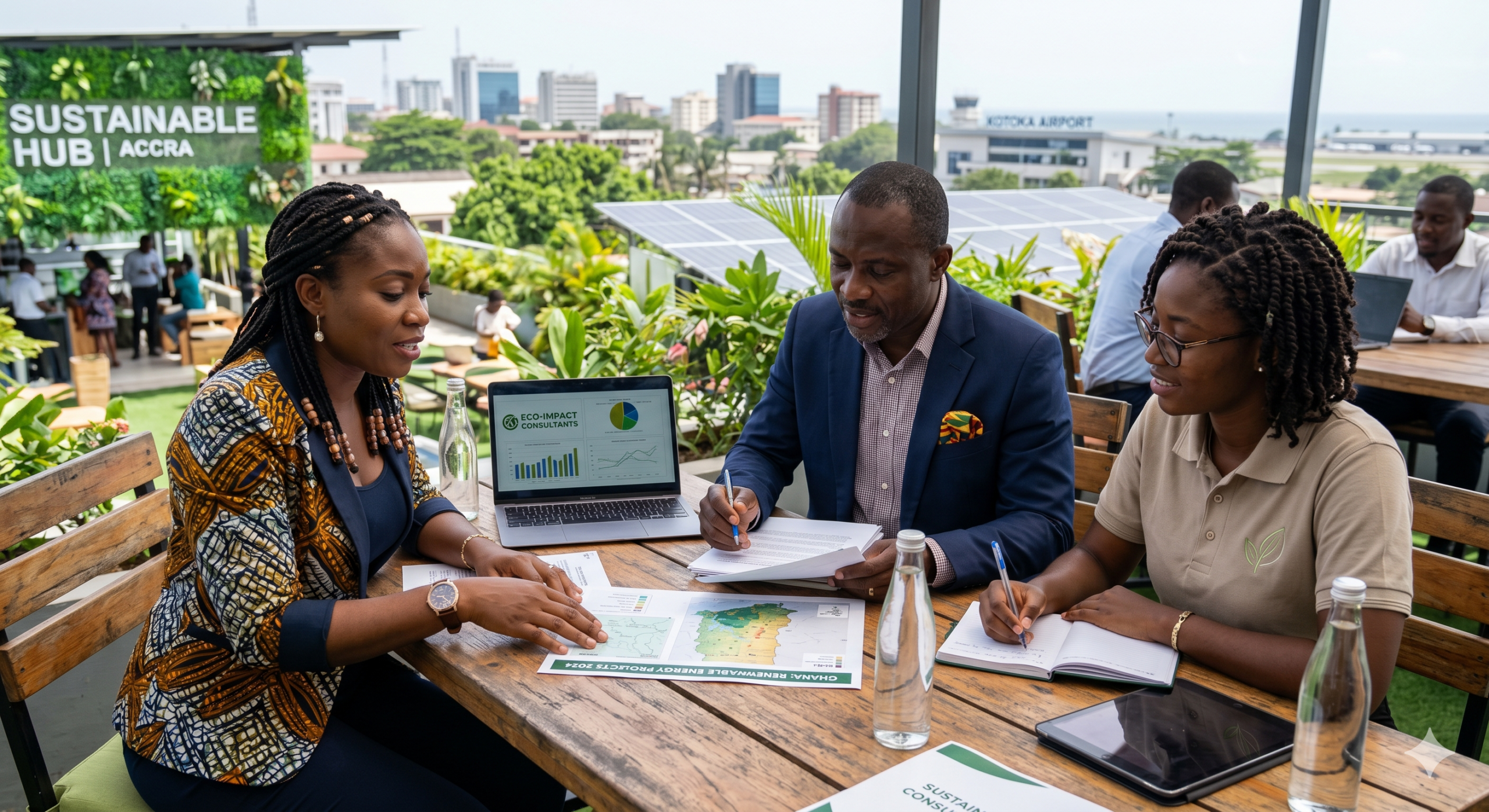
Sustainability consultants help organizations integrate environmentally responsible practices into their operations while maintaining profitability.
Why it is in demand:
Companies across industries are under pressure to meet sustainability targets, comply with regulations, and improve their public image. However, many lack in-house expertise, so they rely on consultants.
What employers are looking for:
- Knowledge of ESG frameworks such as GRI and SASB
- Strong analytical and reporting skills
- Ability to translate sustainability into business strategy
- Stakeholder communication skills
Reality check:
Many candidates claim interest in sustainability but cannot connect it to business outcomes. Employers want professionals who can show how sustainability reduces cost, improves efficiency, or mitigates risk.
Insider tip:
Build case studies. Even if you have not worked with a company, simulate projects such as “reducing waste in a manufacturing firm” and present measurable outcomes.
3. Environmental Data Analysts

This role sits at the intersection of sustainability and data science.
Environmental data analysts collect and interpret data related to emissions, resource usage, and environmental impact.
Why it is in demand:
Data-driven decision-making is central to sustainability. Companies cannot improve what they cannot measure.
What employers are looking for:
- Proficiency in tools like Excel, Python, or Power BI
- Experience with environmental metrics
- Strong data visualization skills
- Attention to detail
Reality check:
We have seen candidates rejected because they focus on generic data skills without demonstrating how those skills apply to environmental challenges.
Insider tip:
Create a portfolio showing analysis of real datasets such as carbon emissions or energy consumption.
4. ESG Specialists
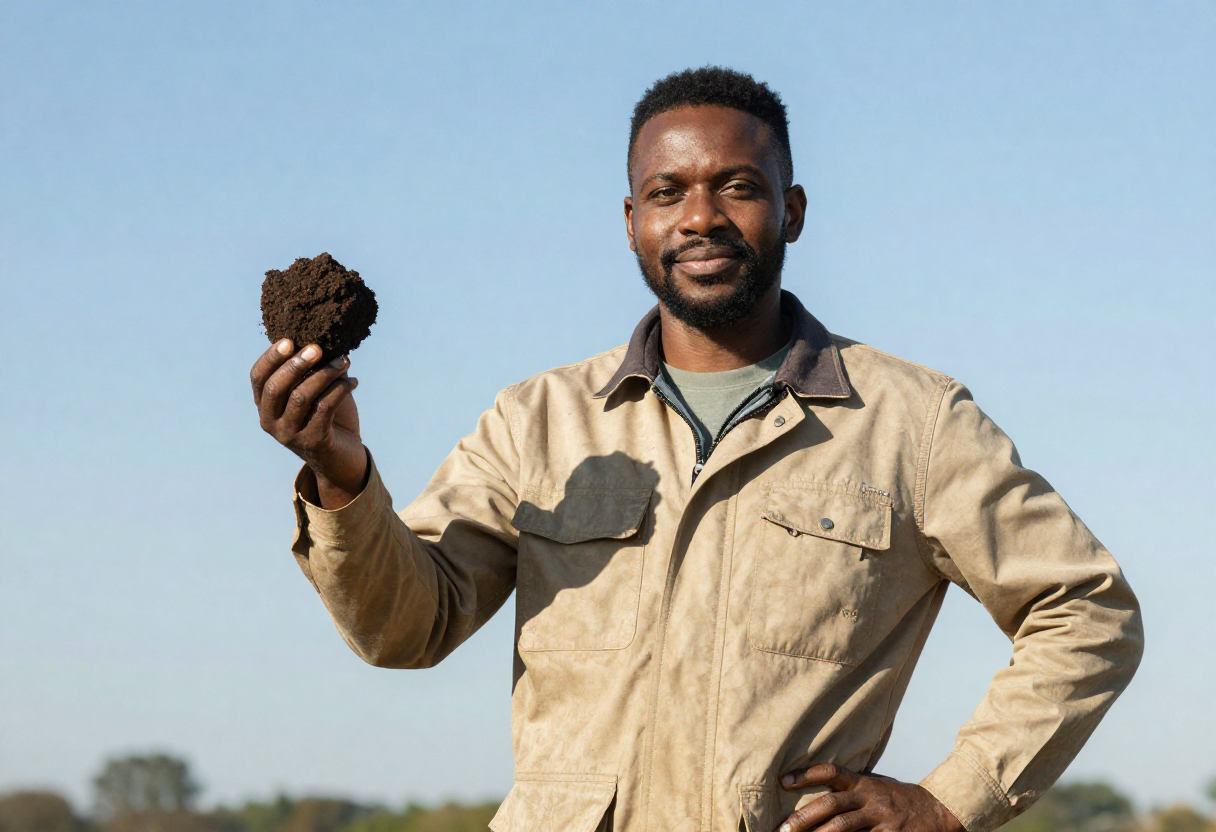
Environmental, Social, and Governance specialists ensure organizations meet regulatory and ethical standards.
Why it is in demand:
Investors and regulators are demanding transparency. ESG performance now affects funding, partnerships, and brand reputation.
What employers are looking for:
- Deep understanding of ESG reporting frameworks
- Policy analysis skills
- Risk assessment capabilities
- Compliance knowledge
Reality check:
Many job seekers overlook ESG because it sounds corporate. In reality, it is one of the fastest-growing areas in sustainability hiring.
Insider tip:
Take short courses on ESG reporting and practice building ESG reports for companies.
5. Climate Risk Analysts

Climate risk analysts assess how environmental changes impact businesses financially and operationally.
Why it is in demand:
Climate change is affecting supply chains, infrastructure, and insurance costs. Companies need professionals who can anticipate and mitigate these risks.
What employers are looking for:
- Risk modeling skills
- Knowledge of climate science
- Financial analysis capabilities
- Scenario planning expertise
Reality check:
Candidates often underestimate the financial aspect of this role. It is not just about climate knowledge. It is about translating climate risk into financial impact.
6. Green Construction Managers

These professionals oversee construction projects with a focus on sustainability and energy efficiency.
Why it is in demand:
Urbanization continues to rise, and governments are enforcing green building standards.
What employers are looking for:
- Knowledge of green building certifications such as LEED
- Project management skills
- Cost optimization strategies
- Understanding of sustainable materials
Reality check:
Employers prioritize candidates who can balance sustainability with cost efficiency. Being “green” alone is not enough.
7. Waste Management Experts

Waste management experts design systems to reduce, recycle, and properly dispose of waste.
Why it is in demand:
Cities and corporations are struggling with waste management challenges, creating a strong need for innovative solutions.
What employers are looking for:
- Knowledge of recycling systems
- Operational planning skills
- Regulatory compliance knowledge
- Problem-solving ability
Insider insight:
We have seen organizations outsource waste management consulting due to lack of internal expertise. This creates freelance and consulting opportunities.
8. Sustainable Supply Chain Managers

These professionals ensure that supply chains are efficient, ethical, and environmentally responsible.
Why it is in demand:
Consumers and regulators are demanding transparency in sourcing and production.
What employers are looking for:
- Supply chain management experience
- Knowledge of sustainability standards
- Vendor management skills
- Data analysis capabilities
Reality check:
Many candidates focus only on logistics. Employers now want professionals who can track emissions and ensure ethical sourcing.
9. Carbon Accounting Specialists

Carbon accountants measure and report an organization’s carbon footprint.
Why it is in demand:
Carbon reporting is becoming mandatory in many regions. Companies must track emissions accurately.
What employers are looking for:
- Knowledge of carbon accounting standards
- Data analysis skills
- Reporting expertise
- Attention to detail
Insider tip:
This is one of the easiest entry points into sustainability for finance and accounting professionals.
10. Agritech and Food Sustainability Experts
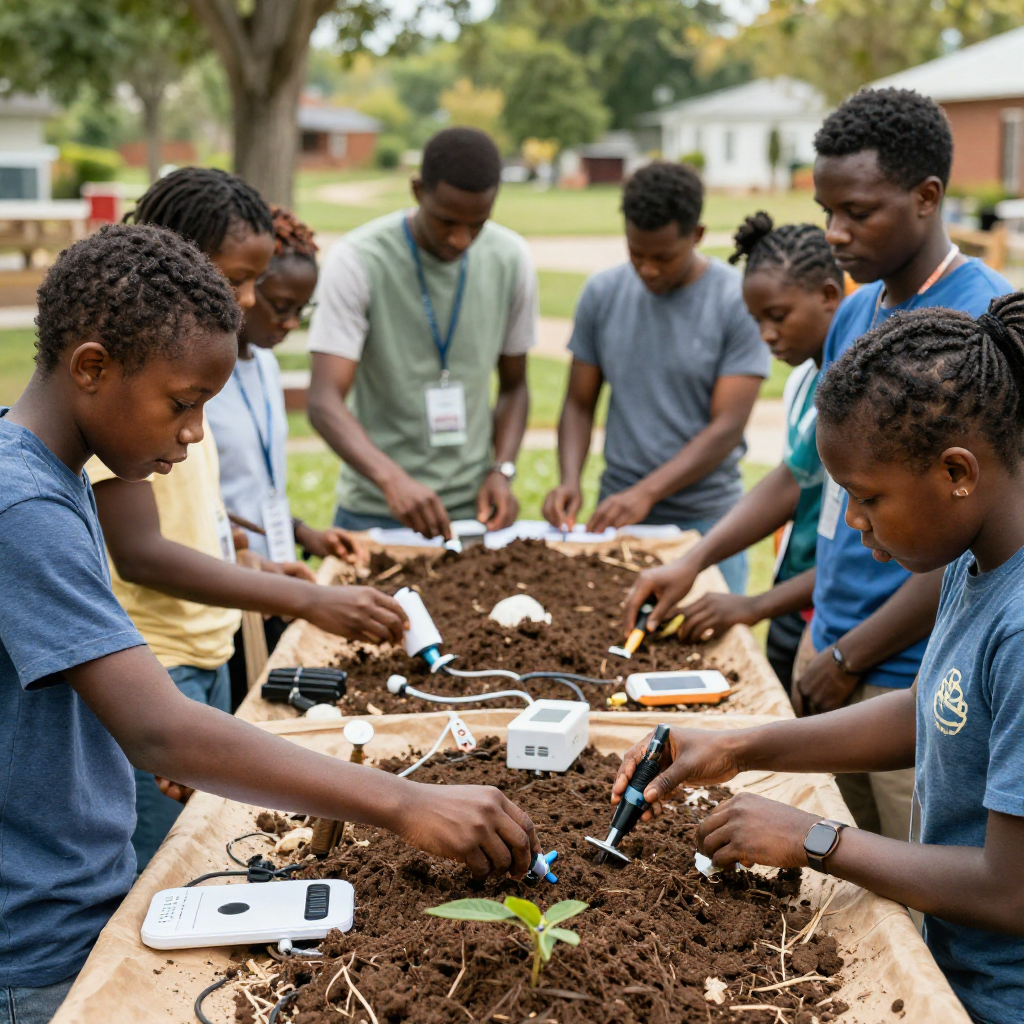
This role focuses on improving agricultural systems using technology while ensuring sustainability.
Why it is in demand:
Food security and climate change are driving innovation in agriculture.
What employers are looking for:
- Knowledge of agriculture and technology
- Understanding of sustainable farming practices
- Innovation mindset
- Data-driven decision-making
Reality check:
We have seen strong demand for professionals who can combine agriculture with digital tools such as precision farming and analytics.
Skills Employers Are Actually Looking For
Across all these roles, certain skills consistently stand out:
- Analytical thinking
- Data literacy
- Sustainability knowledge
- Problem-solving ability
- Communication and reporting skills
However, the biggest differentiator is practical application.
Employers prefer candidates who can demonstrate real-world impact rather than theoretical understanding.
Common Mistakes Job Seekers Make
Many candidates miss out on opportunities because of avoidable mistakes:
- Using generic CVs that do not highlight sustainability skills
- Failing to quantify achievements
- Ignoring industry-specific certifications
- Not building a portfolio
- Applying without understanding the role
We have seen highly qualified candidates get rejected simply because they could not clearly communicate their value.
How to Position Yourself for Green Careers
Here is a practical approach:
Step-by-step strategy:
- Choose a specific niche within sustainability
- Learn the required technical and industry skills
- Build real or simulated projects
- Get relevant certifications
- Optimize your CV for sustainability roles
- Apply strategically, not randomly
Quick Comparison: Generic Job Search vs Strategic Positioning
| Approach | Outcome |
| Applying randomly | Low response rate |
| Tailored CV and portfolio | Higher interview chances |
| No niche focus | Confused career path |
| Clear specialization | Faster career growth |
How Recruitment Firms Bridge the Gap
The gap between talent and opportunity is real.
At Sea-Faj Consults, we have observed two recurring challenges:
- Employers struggle to find qualified sustainability professionals
- Job seekers struggle to present themselves effectively
This is where structured recruitment and outsourcing support becomes critical.
For job seekers, working with a recruitment partner can provide:
- Access to hidden job opportunities
- CV and profile optimization
- Career guidance aligned with market demand
- Matching with global and remote roles
Conclusion
Green careers are not just the future. They are the present reality of the global workforce. The demand is rising, but so is competition. If you want to stand out, you need more than interest. You need strategy, skills and positioning. And now is the time to act.
Whether you are transitioning into sustainability or starting fresh, aligning your skills with In-Demand Jobs for 2026 can significantly improve your career trajectory.
If you need guidance on how to position yourself or access global opportunities, Sea-Faj Consults can support you through every step. Take action today and position yourself for better opportunities.
FAQs
1. What are the most in-demand green jobs in 2026?
Roles such as renewable energy engineers, ESG specialists, and sustainability consultants are among the most in demand.
2. Do I need a degree to start a green career?
Not always. Certifications, skills, and practical experience can be enough for some roles.
3. Are green jobs available remotely?
Yes. Many roles such as data analysis and ESG reporting are increasingly remote.
4. How can I switch to a sustainability career?
Start by learning relevant skills, building projects, and aligning your CV with sustainability roles.
5. Why do candidates get rejected for green jobs?
Common reasons include lack of practical experience, poor CV presentation, and not understanding employer expectations.


