

The dream of studying in Australia continues to inspire thousands of Nigerian and African students every year. Its world-class universities, multicultural environment, and post-graduation work options make it a top destination. But here’s the twist: what happens when visa delays, limited slots or cost become a barrier?
Rather than giving up on their international education dreams, many smart students are now considering cities close to Australia as Plan B or even Plan A. These nearby destinations offer quality education, smoother visa processes and a launchpad to global careers.
In this article, we’ll explore the top 10 cities close to Australia where you can study, thrive and still feel connected to your Aussie ambitions. Whether you’re a final-year student, fresh graduate, or currently in university, this guide will give you location options, visa tips, mentorship advice, and study strategies that could change your life.
Why Consider Cities Close to Australia Instead of Australia Directly?
If Australia is the dream, why would you consider studying elsewhere? Here’s the truth: proximity without pressure is powerful.
1. Lower Tuition and Living Costs
Countries like Malaysia, Fiji and Vietnam offer highly affordable tuition fees and living expenses compared to major Australian cities like Sydney or Melbourne.
2. Better Visa Approval Rates
Some nearby countries have less rigid immigration rules and faster processing times for Nigerian applicants. That means less waiting and more doing.
3. Similar Course Standards
Several institutions in New Zealand and Southeast Asia partner with Australian or UK universities. So, you still get world-class education, sometimes with an option to transfer.
4. Pathway to Australia or Other Countries
Studying in a nearby country gives you geographical and legal flexibility. For instance, after studying in New Zealand, many students move to Australia for work through Trans-Tasman agreements.
Study Abroad Benefits in These Nearby Cities

Studying abroad is more than a degree; it’s an experience. Choosing a city close to Australia can still give you global exposure, internship options, and even easier family visits.
- Close Proximity: You can hop over to Australia for short programs, events or postgraduate work.
- Similar Weather & Culture: If you like what Australia offers culturally, you’ll find these nearby cities just as welcoming as Australia.
- Strategic Advantage: It’s easier to build a migration or career path across borders when you’re already nearby.
Top 10 Cities Close to Australia for International Students
- Auckland, New Zealand
- Wellington, New Zealand
- Suva, Fiji
- Port Moresby, Papua New Guinea
- Singapore
- Kuala Lumpur, Malaysia
- Jakarta, Indonesia
- Manila, Philippines
- Ho Chi Minh City, Vietnam
- Bangkok, Thailand
1. Auckland, New Zealand
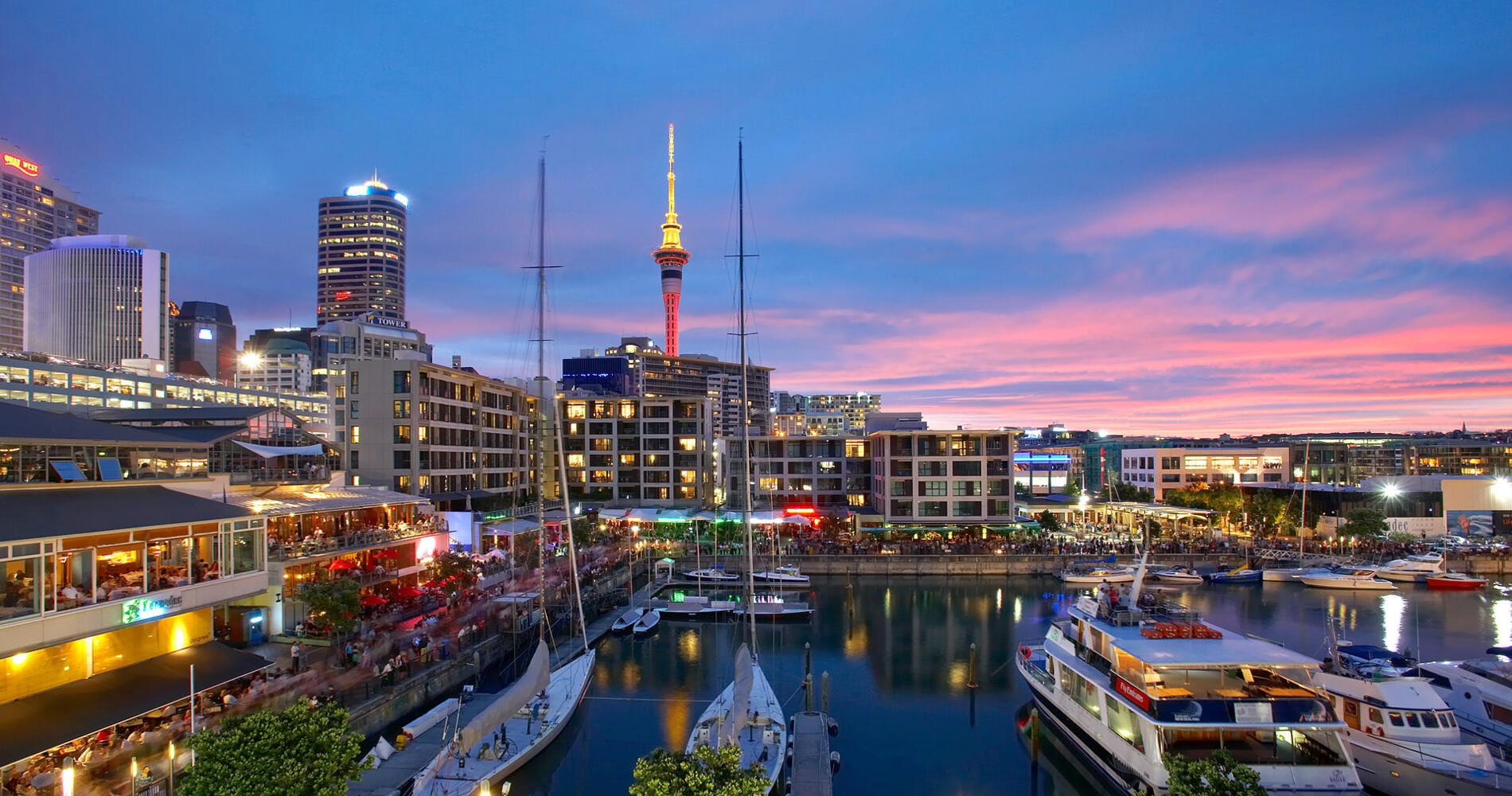
As New Zealand’s largest city, Auckland combines top universities like the University of Auckland with a vibrant international student scene. The education system is globally recognized and the country ranks high in safety and quality of life.
Students benefit from
- Post-study work visas of up to 3 years
- English-taught programs
- Easy access to Australian migration for skilled workers
Auckland is only a 3-4-hour flight from Sydney, so you’re never too far from your original dream.
2. Wellington, New Zealand

Wellington, the capital city, is calm yet culturally rich. It’s perfect for students who prefer a slower pace and a more focused academic atmosphere. Schools like Victoria University of Wellington offer strong programs in law, arts and environmental science.
Visa processing for Nigerians has improved here and you still enjoy the benefits of studying in an English-speaking country.
3. Suva, Fiji
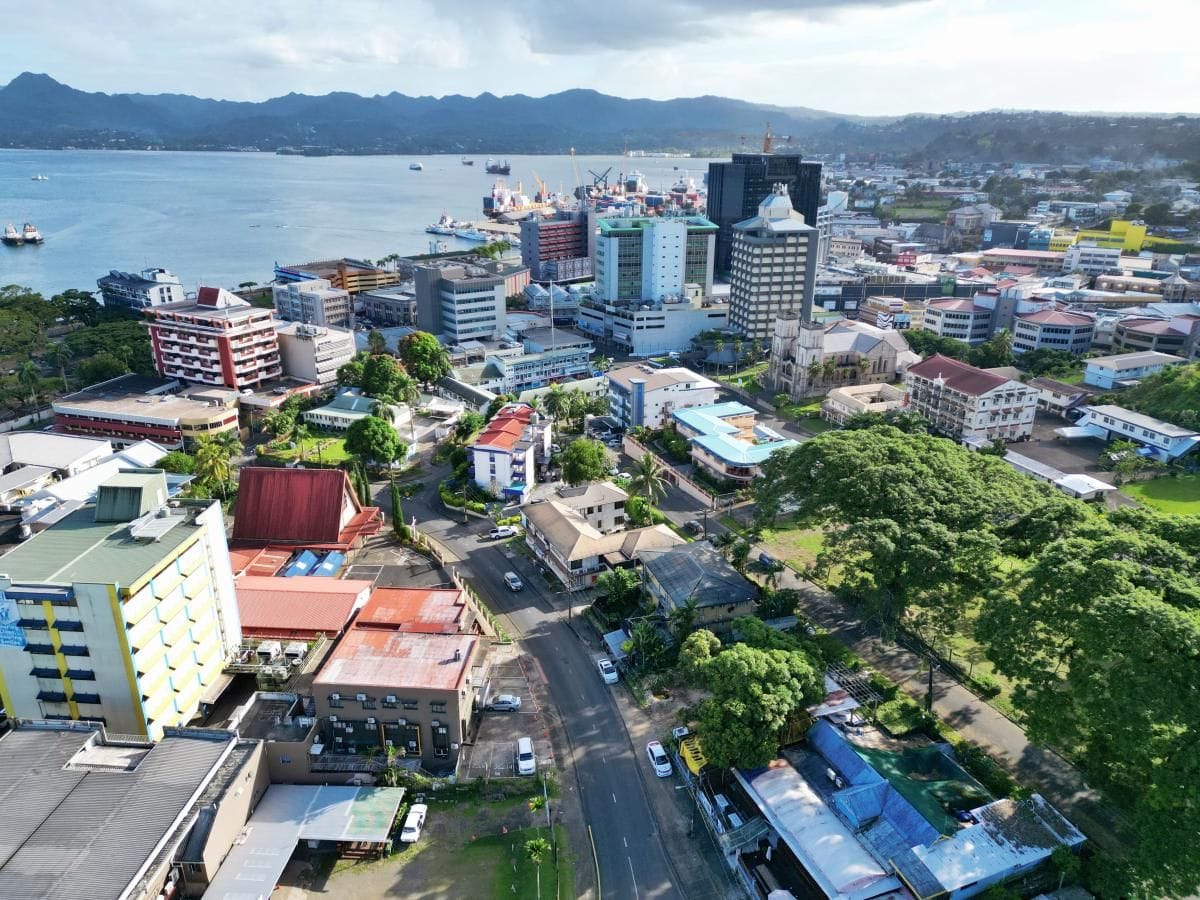
Fiji might not be the first country that comes to mind, but its capital, Suva, is fast becoming an educational hub in the Pacific. The University of the South Pacific (USP) offers internationally accredited degrees with campuses in other nearby island nations.
For Nigerian students:
- Tuition is significantly more affordable.
- English is the primary language of instruction.
- Student visa requirements are relatively straightforward.
Plus, Fiji is a tropical paradise, so you’ll study in one of the world’s most beautiful settings while still being less than 5 hours from Brisbane.
4. Port Moresby, Papua New Guinea
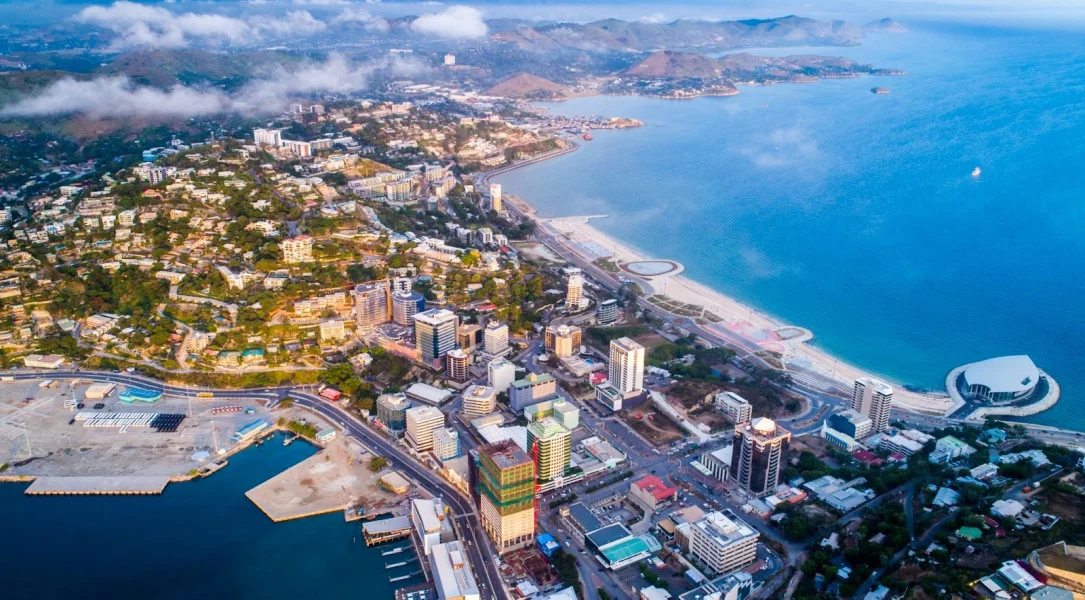
Just north of Australia lies Port Moresby, the capital of Papua New Guinea. Though less developed than others on this list, its proximity to Northern Australia and growing partnerships with Australian institutions make it worth considering for niche fields like agriculture, environmental science and mining engineering.
For adventurous learners who want real-world, field-based education, Papua New Guinea offers a raw and practical experience.
5. Singapore
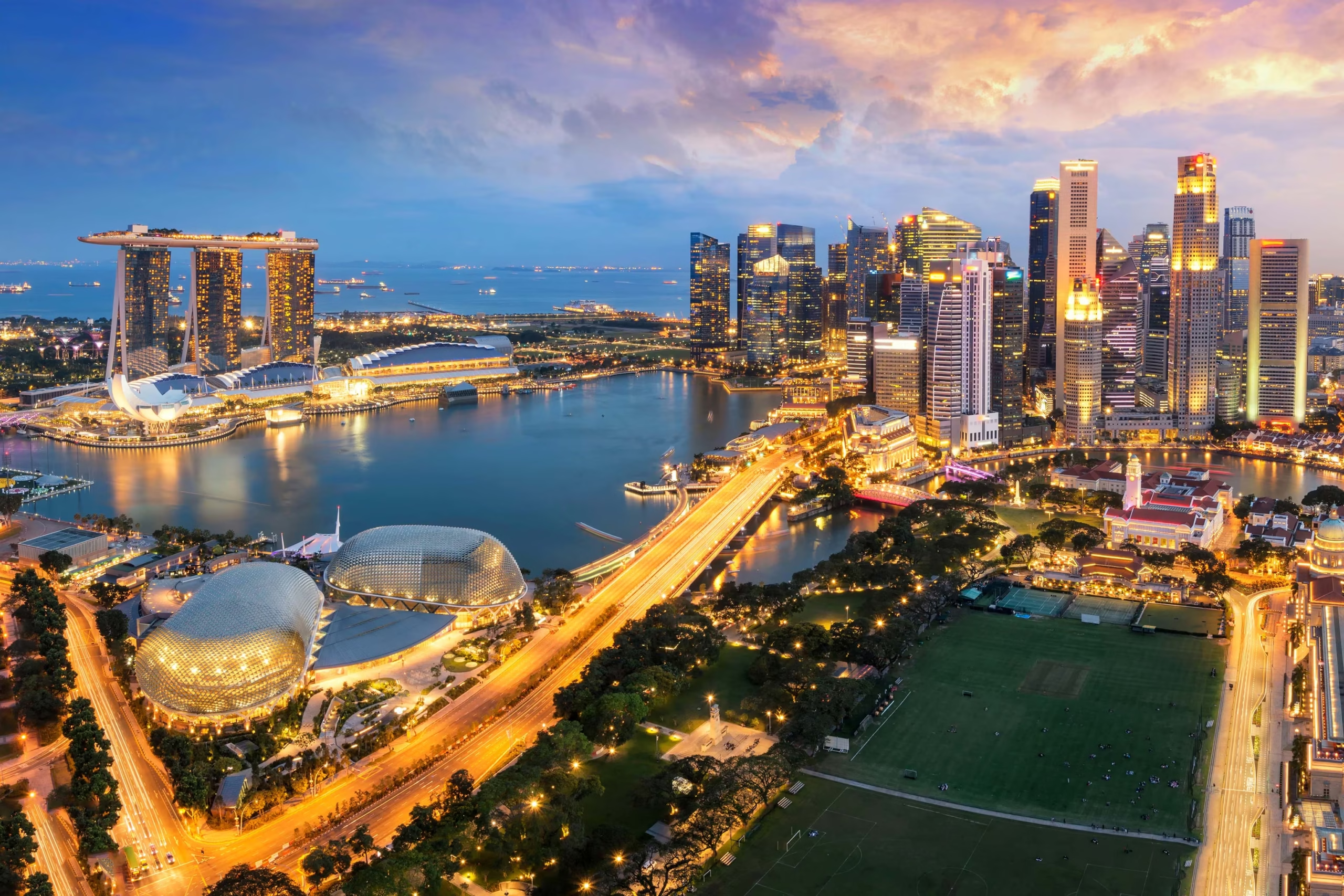
Known as the “education powerhouse of Asia,” Singapore is a no-brainer. It’s about 8 hours from Australia and home to world-class universities like
- National University of Singapore (NUS)
- Nanyang Technological University (NTU)
- James Cook University (Singapore campus)
Singapore is highly developed, safe and structured, a perfect environment for students looking for both academic prestige and real-world industry exposure. The student visa process is digitized and typically faster than Australia’s, making it a great option for Nigerians looking for smooth processing and top-tier education.
6. Kuala Lumpur, Malaysia
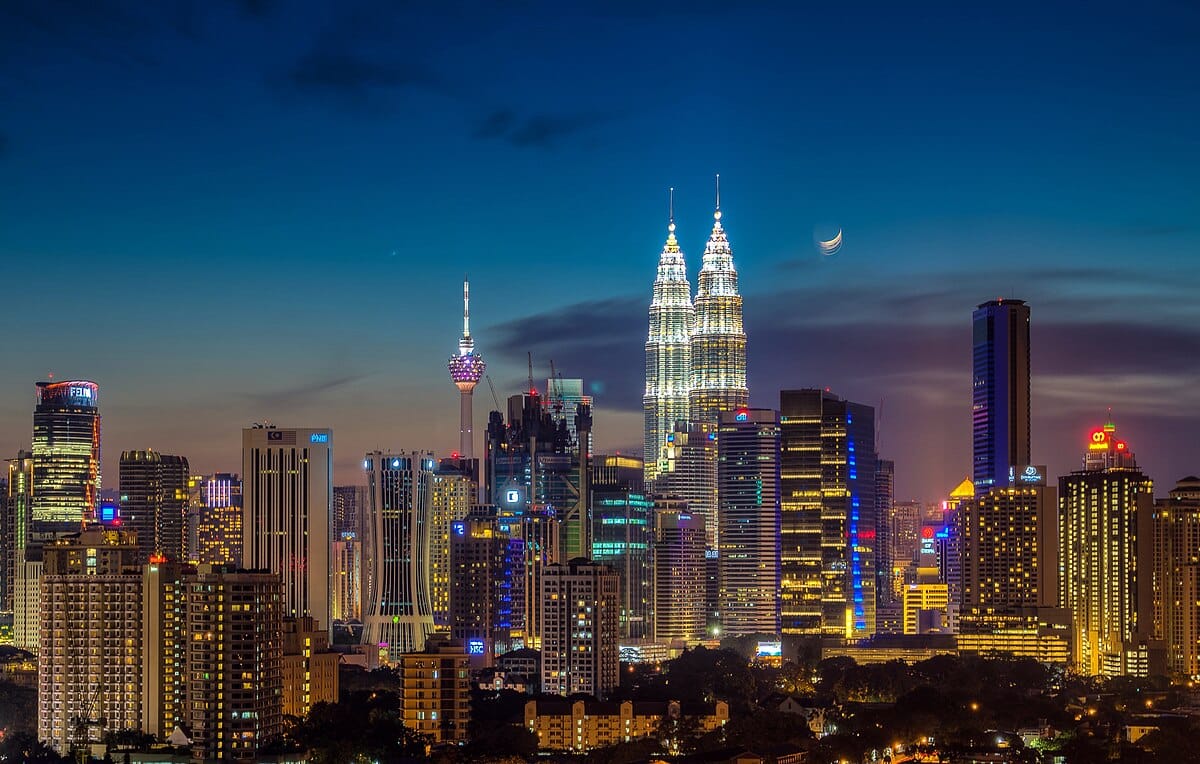
Kuala Lumpur is fast becoming a go-to for African students. With campuses of UK and Australian universities, an affordable cost of living and a multicultural society, KL gives you the international vibe at a fraction of the cost.
Popular institutions include
- University of Malaya
- Monash University Malaysia
- INTI International University
Visas are relatively easy to process and many Nigerians already studying there offer mentorship, helping newcomers settle in faster.
7. Jakarta, Indonesia
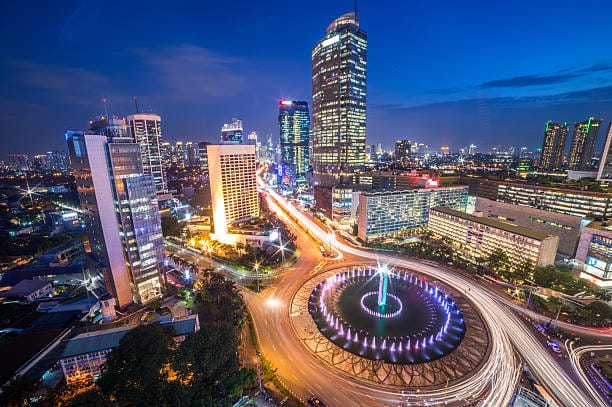
Jakarta is an up-and-coming choice with a strong focus on technology, business, and Islamic finance. While Bahasa Indonesia is widely spoken, several top universities offer courses in English for international students.
Study perks:
- Lower fees than most Western countries
- Tech startup ecosystem for post-study internships
- Proximity to Australia for travel and conferences
It’s not the most common choice, but it’s ideal for niche academic paths and cultural immersion.
8. Manila, Philippines

Manila is one of the few Southeast Asian capitals where English is an official language, making it super student-friendly. Top universities include
- University of the Philippines
- Ateneo de Manila University
The Philippines is affordable and friendly and has a growing international student population. It’s also a great place to prepare for further study or migration to Australia, especially in health-related fields like nursing or public health, where curriculum often overlaps.
9. Ho Chi Minh City, Vietnam
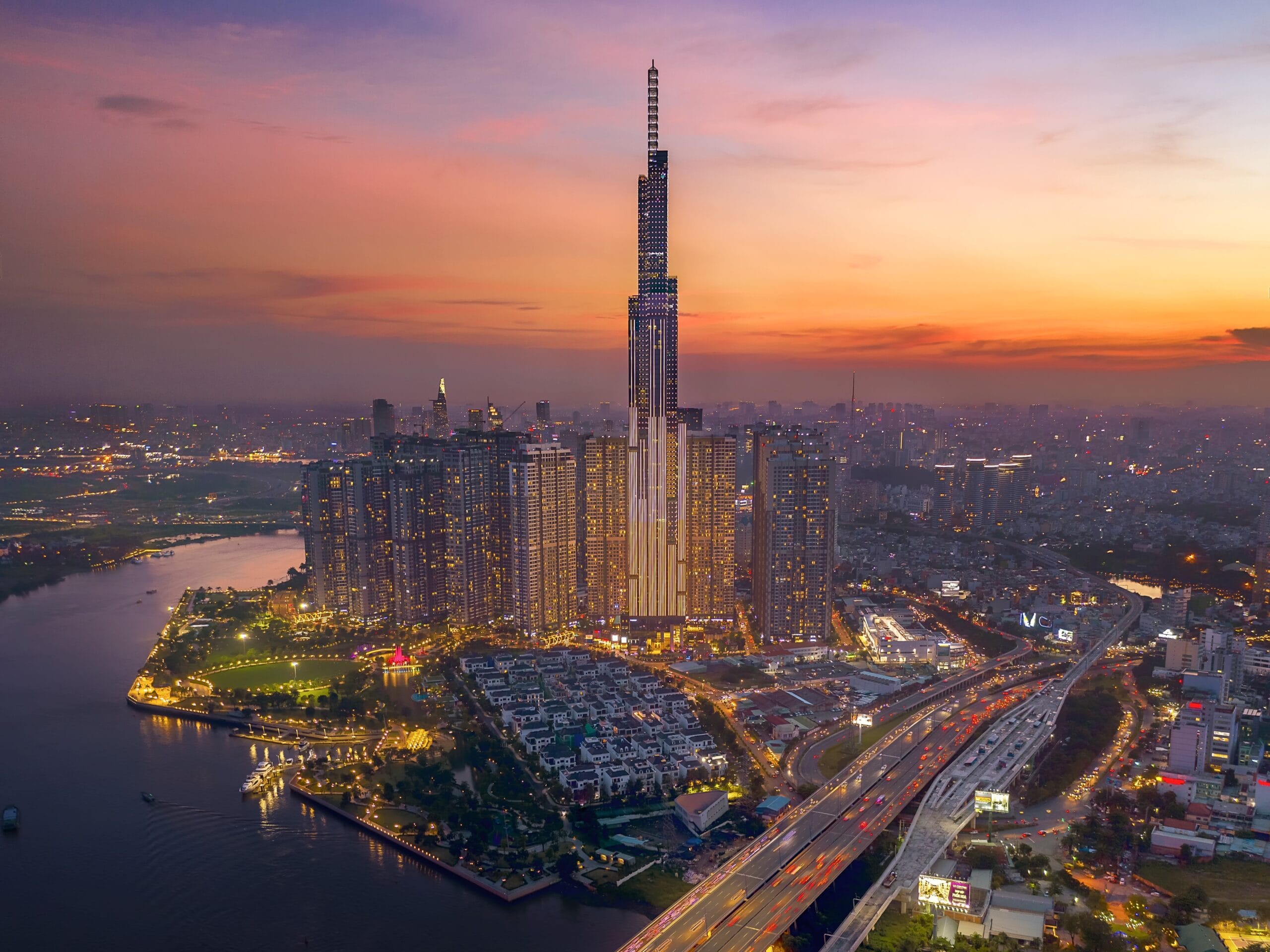
Vietnam is gaining traction among students looking for affordability, vibrant culture and a peaceful environment. Ho Chi Minh City is home to respected institutions like RMIT University Vietnam, which partners with Australia-based RMIT.
For Nigerian students:
- Student life is active and affordable.
- Programs in English are available.
- Post-study job market in business and tech is growing.
Vietnam is an excellent blend of tradition and opportunity, just a short flight from Darwin or Sydney.
10. Bangkok, Thailand
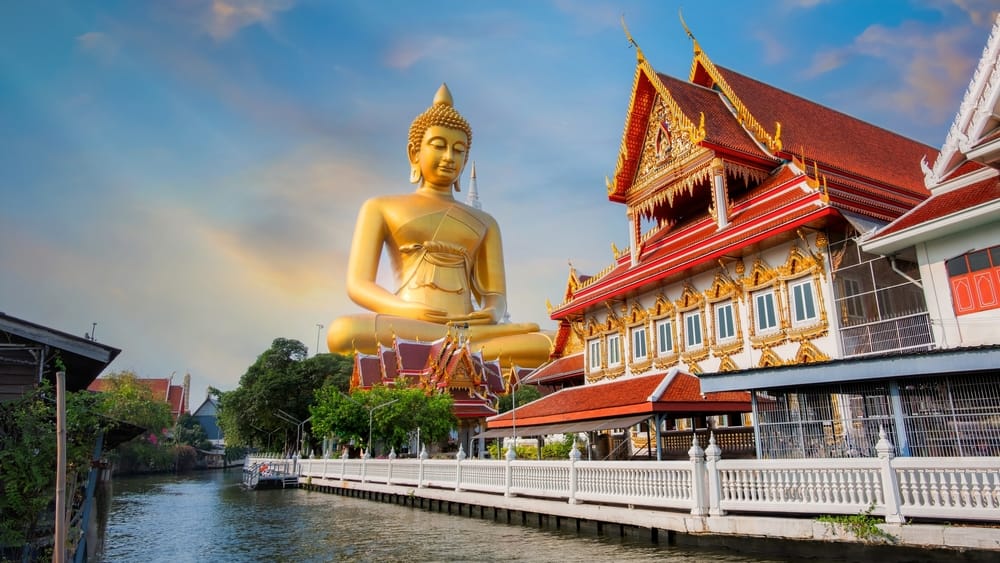
Thailand has been a hidden gem for international students for years. Bangkok, in particular, offers rich culture, global-standard universities, and English-taught programs in business, hospitality, and engineering.
Top schools include
- Chulalongkorn University
- Mahidol University
The Thai government is increasingly welcoming foreign students with scholarship and work-study options.
Pros and Cons of Studying in These Cities vs. Australia
Choosing between studying in Australia or its nearby alternatives isn’t about which is better, but rather which is better for you. Here’s a breakdown to help you decide:
Affordability
Pros (Cities Close to Australia):
- Tuition fees can be up to 50% lower.
- Cheaper rent, food and transportation in places like Malaysia, Vietnam and the Philippines.
- Some countries offer government or university-sponsored scholarships for African students.
Cons:
- You might spend more on occasional travel if you plan to visit Australia frequently.
Quality of Education
Pros (Australia):
- Globally top-ranked universities like the University of Melbourne, ANU and UNSW.
- Strong research infrastructure and international recognition.
Pros (Nearby Cities):
- New Zealand and Singapore also boast world-class universities.
- Several institutions in Malaysia and Vietnam partner with Australian or UK schools.
Cons:
- Some smaller cities or developing countries may lack the same prestige or research output.
Job Prospects
Pros (Australia):
- Post-study work permits of 2-4 years.
- Higher minimum wages and organized career services.
Pros (Nearby Cities):
- New Zealand also offers up to 3 years of post-study work.
- Countries like Singapore have strong job markets in tech and finance.
Cons:
- Smaller or less developed countries may offer fewer job opportunities after graduation.
- Some work permits may be limited or industry-specific.
Resources to Help You Decide
Still confused? You don’t have to figure it out alone. Here are a few resources and tools to help:
Free Tools to Compare Cities
- Numbeo (cost of living)
- QS Ranking by Region
- GoAbroad Country Finder
Study Abroad Counselors to Contact
- SEA-FAJ Consults (specialized in Nigerian students’ applications and mentorship)
- EducationUSA Nigeria
- Commonwealth Africa Study Links
Scholarship Links
- New Zealand Manaaki Scholarships
- ASEAN scholarships (Singapore)
- Australia Awards (some partner countries)
- Chevening and DAAD for partner universities in nearby cities
Conclusion
You don’t have to press pause on your international education dream just because Australia’s gates seem tough to unlock right now. These cities close to Australia offer equally exciting paths with fewer barriers and they may even surprise you with how much they align with your long-term goals.
Location is important, but strategy is smarter. Whether it’s for smoother visa processing, affordable tuition, or easier job access, your ideal destination might just be a short flight from Australia.
Ready to take the next step?
Book a free consultation with our study abroad advisor or sign up for our newsletter on new scholarship openings and visa updates tailored for Nigerian students.
FAQs
1. What are the visa chances for Nigerians in these countries?
Generally higher than Australia, especially in Malaysia, New Zealand, and the Philippines, where processes are simpler and less saturated.
2. Can I transfer to Australia after studying in a nearby city?
Yes! Many universities in New Zealand, Malaysia, and Vietnam have articulation agreements with Australian institutions.
3. Are these cities affordable for self-sponsored students?
Absolutely. Cities like Suva, Ho Chi Minh, and Jakarta offer excellent value with living costs far lower than Sydney or Melbourne.
4. Do these cities offer courses in English?
Yes. Countries like New Zealand, Singapore, Malaysia, and the Philippines offer a wide range of English-taught programs.
5. What’s the best time to apply for the September intake?
Start your application and document-gathering process 6-8 months ahead, ideally between January and March.


