
Breaking into cyber security jobs can feel overwhelming, especially when every job post seems to demand years of experience you do not yet have. But here is the truth most people will not tell you. The demand for cyber security talent is growing faster than companies can fill roles, and this gap has created a unique opportunity for smart beginners who follow the right strategy.
If you are a Nigerian graduate, NYSC member, or career switcher trying to move into tech, this guide is built specifically for you. Not generic advice and not recycled tips. This is a structured, recruiter-informed roadmap that aligns with current outsourcing and global hiring trends.
Why Cyber Security Jobs Are in High Demand Globally

The Global Talent Shortage in Cyber Security
Organizations across the US, UK, Canada, and Europe are struggling to fill cyber security roles. The rise in cyber threats, data breaches, and compliance requirements has made security a top priority for businesses. Yet, there are not enough skilled professionals to meet this demand.
This shortage is exactly why entry-level candidates now have a faster pathway into the industry compared to a few years ago.
Why Nigerian Talents Are Well Positioned for Remote Roles
Here is where it gets interesting for you.
Companies are increasingly outsourcing cyber security functions to reduce costs while maintaining quality. Nigerian professionals are becoming highly attractive because of their adaptability, technical capability, and willingness to work in global remote environments.
Outsourcing and Remote Hiring Trends in Cyber Security
Outsourcing firms and recruitment agencies are now acting as bridges between global employers and emerging talent markets like Nigeria. Instead of hiring in-house, many companies partner with consulting firms to source, train, and deploy cyber security professionals.
This means your chances of landing a role increase significantly when you position yourself correctly within this ecosystem.
10 Step-by-Step Guide to Landing Your First Cyber Security Job Fast
- Understand the Cyber Security Career Landscape
- Learn the Right Skills
- Get Industry-Recognized Certifications
- Build Hands-On Experience
- Optimize Your CV and LinkedIn
- Use the Right Job Search Strategy
- Network Strategically
- Prepare for Interviews
- Apply Smart
- Partner with Recruitment and Outsourcing Experts
Step 1: Understand the Cyber Security Career Landscape

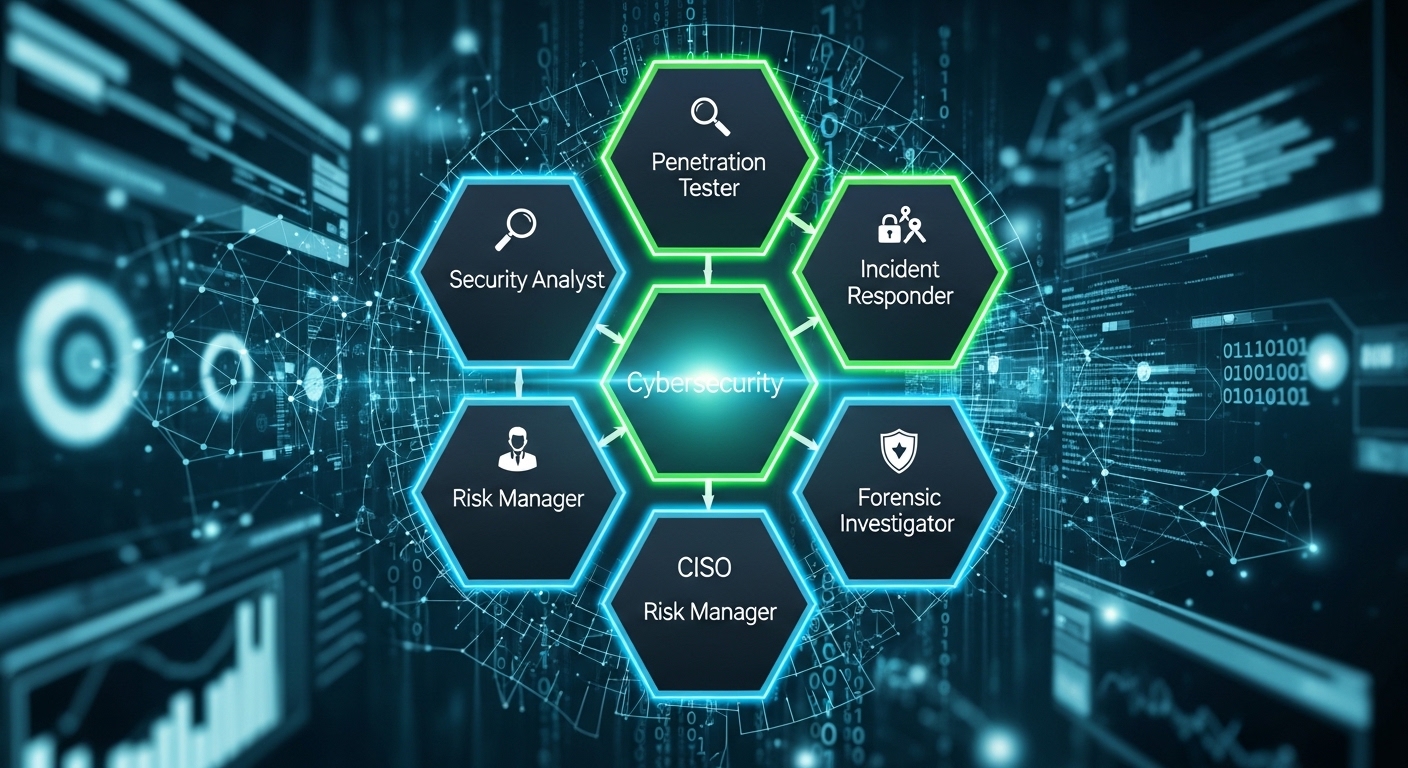
Before you start applying randomly, you need clarity. Cyber security is not one job. It is a collection of specialized roles.
Key Roles in Cyber Security
Some of the most in-demand entry-level roles include:
- Security Operations Center Analyst (SOC Analyst)
- Penetration Tester (Ethical Hacker)
- Governance, Risk, and Compliance (GRC) Analyst
- Security Support Analyst
Each of these roles requires a slightly different skill set.
Choosing a Beginner-Friendly Path
If you are just starting out, SOC Analyst and GRC roles are typically more accessible. They require less advanced coding knowledge and focus more on monitoring, reporting, and understanding security frameworks.
The mistake most beginners make is trying to learn everything at once. That approach slows you down.
Step 2: Learn the Right Skills (Not Everything)

You do not need to master all of cyber security to get your first job. You just need to be competent in the right areas.
Core Technical Skills You Need
Focus on:
- Networking fundamentals
- Basic Linux commands
- Understanding of security tools like SIEM systems
- Threat detection and analysis
Soft Skills Recruiters Look For
This is where many candidates lose opportunities.
Recruiters working with outsourcing firms are not just looking for technical skills. They want candidates who can communicate clearly, write reports, and think critically under pressure.
If you can explain a security issue in simple terms, you already stand out.
Step 3: Get Industry-Recognized Certifications
Certifications act as proof of competence, especially when you do not yet have formal work experience. For cyber security jobs, they are often the difference between getting shortlisted or ignored.
Best Beginner Certifications
Start with certifications that are globally recognized and aligned with entry-level roles:
- CompTIA Security+
- Google Cybersecurity Certificate
- ISC2 Certified in Cybersecurity (CC)
These certifications validate your understanding of security principles, risk management, and basic threat detection.
How to Choose Based on Your Career Path
If you are leaning toward SOC Analyst roles, Security+ is a strong starting point. If your interest is more in governance or compliance, ISC2 CC positions you better. The key is alignment, not accumulation.
Do not fall into the trap of collecting multiple certifications without direction. Recruiters prefer relevance over volume.
Step 4: Build Hands-On Experience Without a Job

Experience is the biggest barrier for most entry-level candidates. The workaround is simple but often ignored. You create your own experience.
Labs, Simulations, and Open Source Projects
Platforms like TryHackMe, Hack The Box, and cybersecurity labs allow you to simulate real-world attacks and defenses. These are not just learning tools. They are experience builders.
You should be able to confidently say, “I have detected a simulated phishing attack” or “I have analyzed logs in a SIEM environment.”
Creating a Portfolio That Attracts Recruiters
Document everything.
Create a simple portfolio that includes:
- Screenshots of completed labs
- Short case studies explaining what you did
- GitHub repositories if applicable
Recruiters in outsourcing and recruitment firms often review portfolios to assess practical ability. This is where you prove you are not just theoretical.
Step 5: Optimize Your CV and LinkedIn for Cyber Security Jobs

Your CV is not just a document. It is a marketing tool. And in a competitive market, positioning matters more than effort.
What Recruiters Look for in Entry-Level Candidates
When hiring for cyber security jobs, recruiters typically scan for:
- Relevant certifications
- Demonstrated hands-on experience
- Clear understanding of tools and frameworks
- Evidence of continuous learning
Your CV should highlight these immediately within the first few seconds.
Common Mistakes to Avoid
Avoid generic CVs that list unrelated experiences without context. Avoid long paragraphs. Avoid using buzzwords you cannot defend in an interview.
Instead, quantify your learning:
- “Completed 50+ cybersecurity labs on TryHackMe”
- “Analyzed simulated attack scenarios using SIEM tools”
Your LinkedIn profile should mirror this positioning and include keywords like “cyber security jobs,” “SOC Analyst,” and “threat analysis” to improve visibility in recruiter searches.
Step 6: Use the Right Job Search Strategy

Applying randomly is one of the fastest ways to stay unemployed.
Best Platforms for Cyber Security Jobs
Focus your search on platforms where real opportunities exist:
- LinkedIn Jobs
- Indeed
- Glassdoor
- SEA-FAJ CONSULTS job page
But here is the strategic layer most people miss.
Leveraging Recruitment Agencies and Outsourcing Firms
Many cyber security roles are not publicly advertised. They are filled through recruitment agencies and outsourcing firms that already have contracts with global companies.
These firms pre-screen candidates, train them if necessary, and match them with employers.
This means you are not just applying. You are being positioned.
Step 7: Network Strategically (Not Randomly)

Networking is not about sending connection requests to everyone. It is about building intentional professional relationships.
How to Connect with Hiring Managers and Recruiters
Start by identifying recruiters who specialize in tech hiring or outsourcing. Engage with their content before sending a message.
When you reach out, be specific:
- Mention your interest in cyber security jobs
- Highlight what you are currently learning
- Ask a focused question
Using LinkedIn for Visibility
Post about your learning journey. Share insights from labs. Document your progress.
This does two things:
- Builds credibility
- Attracts recruiters to you instead of you chasing them
Step 8: Prepare for Interviews Like a Pro

Getting the interview is one step. Converting it is another.
Common Entry-Level Cyber Security Interview Questions
Expect questions like:
- What is a firewall and how does it work
- How would you respond to a phishing attack
- What tools have you used
These questions test both knowledge and thinking process.
How to Demonstrate Practical Knowledge
Use real examples from your labs and portfolio. Instead of saying “I know this,” explain what you did.
For example:
“I analyzed a simulated phishing email by checking the header and identifying suspicious links.”
This approach signals readiness.
Step 9: Apply Smart, Not Hard

At this stage, you already have foundational skills, certifications, and some level of practical exposure. Now the focus shifts to execution.
Quality vs Quantity in Job Applications
Sending 100 generic applications will not get you results. Sending 10 targeted applications with strong alignment will.
For cyber security jobs, recruiters can quickly spot a copy-paste application. Instead:
- Customize your CV to match the job description
- Use the same keywords used in the job posting
- Highlight only relevant skills and experience
This increases your chances of passing Applicant Tracking Systems and getting noticed by recruiters.
Tailoring Applications for Each Role
If you are applying for a SOC Analyst role, emphasize:
- Monitoring and alert analysis
- SIEM tools
- Incident response basics
If it is a GRC role, focus on:
- Risk assessment
- Compliance frameworks
- Documentation and reporting
This level of specificity positions you as a serious candidate, not just another applicant.
Step 10: Partner with Recruitment & Outsourcing Experts

This is where many candidates accelerate their journey.
How Agencies Speed Up Job Placement
Recruitment and outsourcing firms already have access to employers actively hiring for cyber security jobs. They understand exactly what companies are looking for and can guide you accordingly.
Instead of guessing, you get:
- CV optimization support
- Interview preparation
- Direct job matching
This significantly reduces your job search time.
Why SEA-FAJ Consults Gives You an Edge
At SEA-FAJ Consults, the approach goes beyond just listing vacancies. The focus is on preparing you to become employable in a competitive global market.
From career guidance to strategic positioning, SEA-FAJ bridges the gap between raw talent and global opportunity. Whether you are starting from scratch or transitioning into tech, you get a structured pathway tailored to current outsourcing and recruitment trends.
Conclusion
Breaking into cyber security jobs is no longer reserved for people with years of experience. With the right strategy, you can move from beginner to job-ready faster than you think.
The key is clarity, consistency, and positioning. Understand the role you want, build relevant skills, gain practical exposure, and align yourself with the right opportunities. When you combine this with strategic support from a recruitment and outsourcing partner, your chances increase significantly.
If you are serious about landing your first cyber security role, do not navigate the process alone.
Reach out to SEA-FAJ Consults today for personalized guidance and access to real job opportunities. Let’s position you for global relevance and fast-track your entry into the tech industry. You can also join our WhatsApp Talent Community for fast update about tech jobs
FAQs
1. How long does it take to get a cyber security job as a beginner?
With consistent effort, the right certifications, and hands-on practice, many beginners secure entry-level roles within 3 to 6 months.
2. Do I need a degree in computer science to get into cyber security jobs?
No. Many employers focus more on skills, certifications, and practical experience rather than your academic background.
3. Can I get remote cyber security jobs from Nigeria?
Yes. With the rise of outsourcing and global hiring, many companies now recruit remote cyber security professionals from Nigeria.
4. What is the easiest cyber security role to start with?
SOC Analyst and GRC roles are often considered beginner-friendly because they require foundational knowledge rather than advanced technical expertise.
5. How do I stand out when applying for cyber security jobs?
Focus on building a strong portfolio, tailoring your CV for each role, and demonstrating practical experience through labs and real-world simulations.