
Payroll vs paycheck is one of those business terms that people use interchangeably, yet they mean completely different things. If you are an employer trying to build a structured workforce or an employee trying to understand your earnings, this confusion can cost you more than you realize.
Think about this for a moment. You hire a new staff member, agree on a salary, and assume everything is straightforward. But behind that simple agreement is a complex system that determines how salaries are calculated, taxes are deducted, and payments are delivered. That system is payroll. What the employee eventually receives in their account is the paycheck.
So why does this distinction matter?
Because misunderstanding payroll vs paycheck can lead to compliance issues, payroll errors, employee dissatisfaction, and even financial losses. For businesses scaling locally in Nigeria or hiring across borders like the UK, getting this right is not optional. It is a strategic necessity.
Let’s break it down in a way that makes sense for both employers and employees.
What Is Payroll? (Employer Perspective)

Payroll is the entire process a business uses to compensate its employees. It goes beyond just paying salaries. It includes calculating earnings, deducting taxes, managing benefits, and ensuring compliance with labor laws.
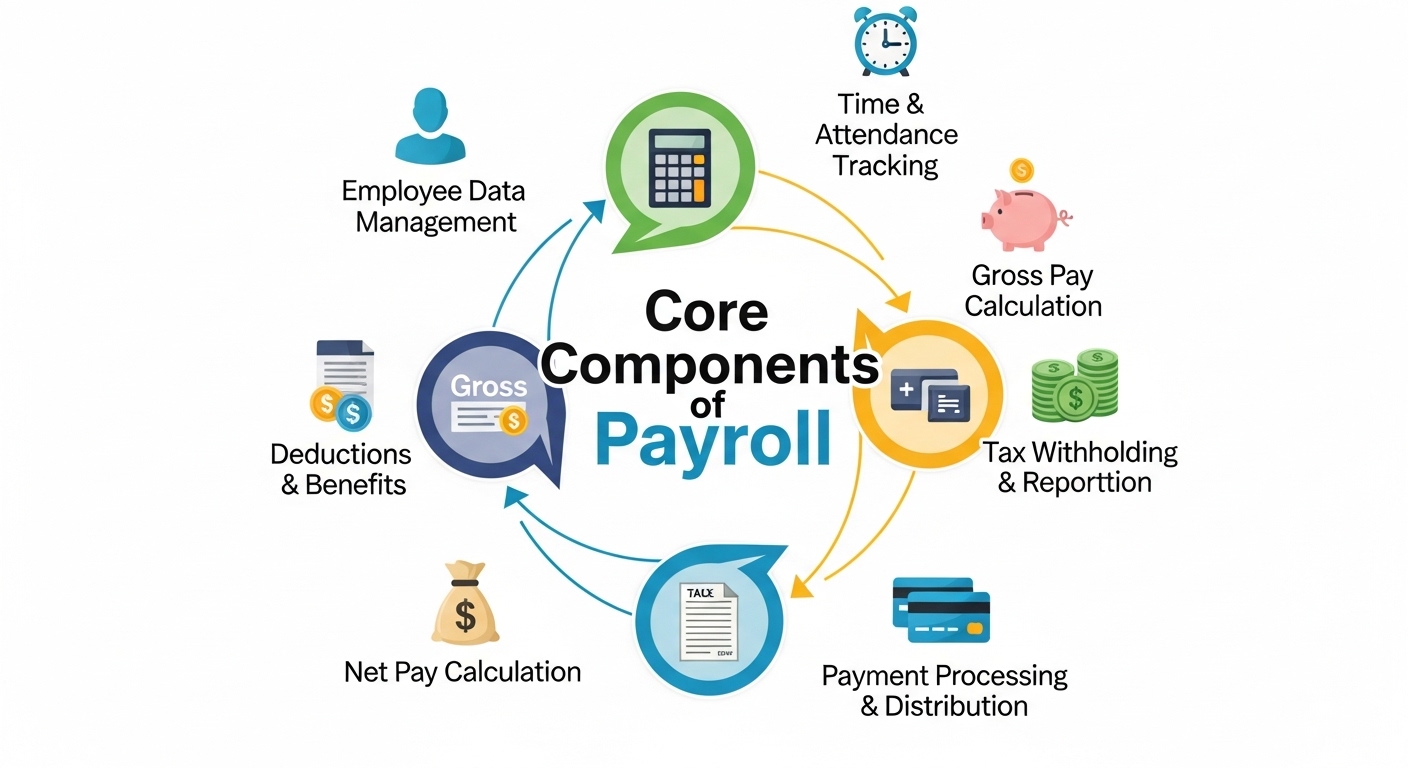
Core Components of Payroll
A well-structured payroll system includes several moving parts that must work together seamlessly.
First, there is employee compensation. This covers salaries, hourly wages, bonuses, and commissions. Then come deductions, which include taxes, pension contributions, health insurance, and other statutory obligations depending on the country.
For example, in Nigeria, employers must account for PAYE tax, pension contributions, and sometimes NHF deductions. In the UK, this extends to National Insurance and income tax compliance. Missing any of these can result in penalties.
Another critical part of payroll is record keeping. Every payment, deduction, and adjustment must be documented accurately for auditing and reporting purposes.
Payroll Management in Modern Businesses
Traditionally, payroll was handled manually or with spreadsheets. Today, that approach is risky and inefficient, especially for growing companies.
Modern businesses now rely on payroll software or outsource payroll to specialized firms. Why? Because payroll is not just an administrative task. It is a compliance-driven function that requires accuracy and up-to-date regulatory knowledge.
Outsourcing payroll is becoming a strong trend in recruitment and HR consulting. It allows companies to focus on growth while experts handle salary processing, tax compliance, and reporting.
Why Payroll Accuracy Is Critical for Business Growth
Payroll is one area where mistakes are very visible. If employees are underpaid, overtaxed, or paid late, trust breaks down quickly.
Accurate payroll ensures legal compliance, which protects your business from fines and legal disputes. It also builds employee confidence, which directly impacts retention and productivity.
From a financial standpoint, payroll gives you clarity on labour costs, helping you plan budgets and scale sustainably.
What Is a Paycheck? (Employee Perspective)

If payroll is the system behind the scenes, then a paycheck is the final result the employee sees. It is the actual payment an employee receives after all calculations and deductions have been made.
For many employees, the paycheck is the only visible part of the entire compensation process. That is why understanding it is so important.
Key Elements Found in a Paycheck
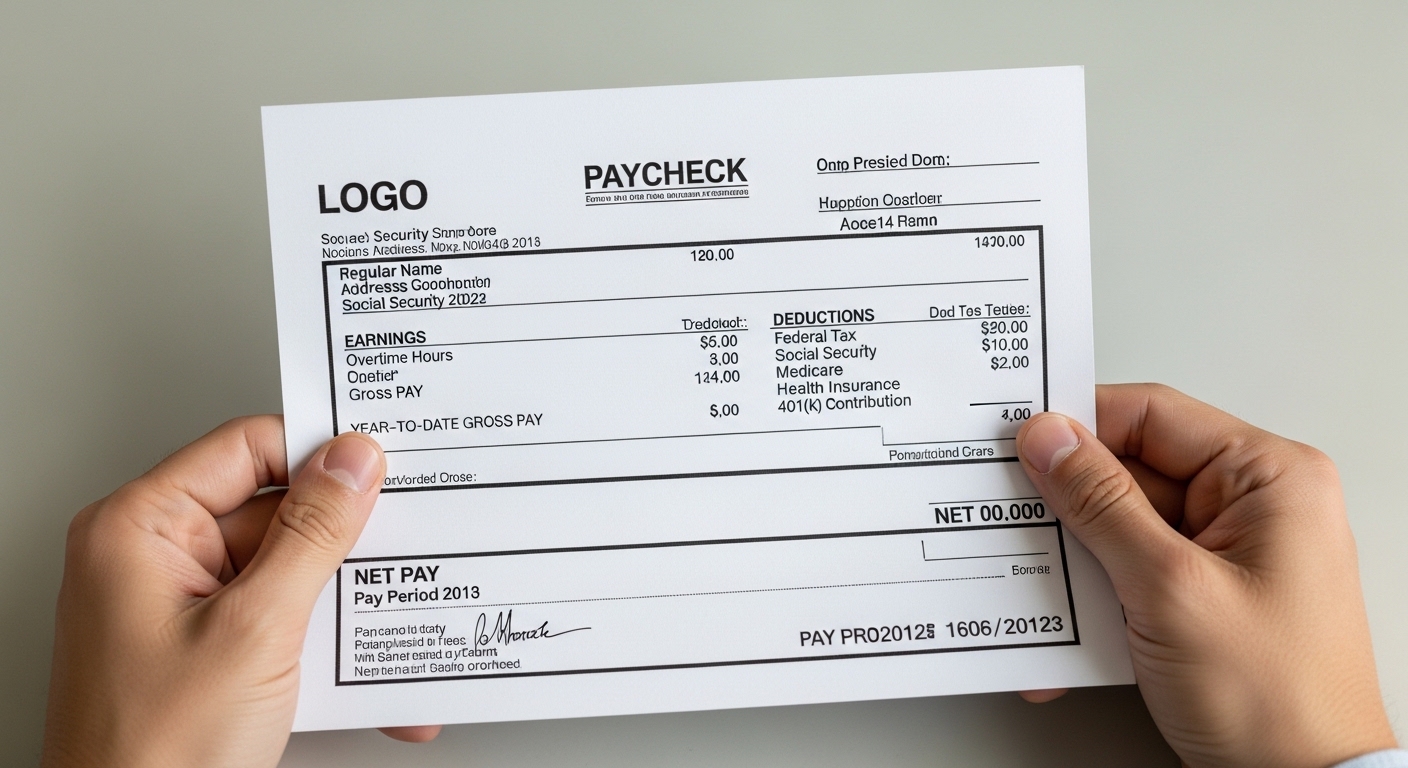
Every paycheck contains specific details that tell the full story of how your salary is calculated.
The first is gross pay. This is the total amount you earn before any deductions. It includes your base salary, overtime, bonuses, or commissions.
Next comes deductions. These are amounts subtracted from your gross pay. They can include taxes, pension contributions, health insurance, and other statutory or voluntary deductions.
What remains after deductions is your net pay, which is the amount that actually gets paid into your bank account.
You will also find details like the pay period, which shows the timeframe the payment covers, and sometimes a breakdown of hours worked or additional earnings.
Understanding these components helps employees verify that they are being paid correctly and fairly.
How Employees Should Read and Understand Their Paycheck
Many employees receive their paycheck or salary alert and move on without reviewing the details. That is a mistake.
You should always check if your gross pay aligns with your agreed salary. Then confirm that deductions are accurate and compliant with local regulations.
For example, if you are working in Nigeria, you should recognize deductions like PAYE tax and pension contributions. If you are working with an international employer, the structure may differ, but transparency should still be clear.
Another thing to watch for is consistency. Sudden changes in deductions or net pay without explanation should raise questions.
When employees understand their paycheck, they are better positioned to ask the right questions and avoid being shortchanged.
Payroll vs Paycheck: The Key Differences
Now that you understand both concepts individually, let’s clearly define the difference between payroll vs paycheck.
| Comparison Area | Payroll | Paycheck |
| Process vs Outcome | Payroll is the entire process of calculating and managing employee compensation. It involves multiple steps, systems, and compliance requirements. | A paycheck is the final outcome of that process. It is what the employee receives after payroll has been executed. |
| Employer Responsibility vs Employee Benefit | Payroll is primarily the responsibility of the employer. It requires accuracy, compliance, and proper management. | A paycheck is the employee’s benefit. It reflects the result of the employer’s payroll process. |
| Strategic Function vs Financial Document | Payroll is a strategic business function. It impacts budgeting, compliance, and workforce planning. | A paycheck is a financial document. It provides a breakdown of earnings and deductions for a specific period. |
When businesses clearly understand payroll vs paycheck, they are better equipped to build efficient systems and avoid costly errors.
Payroll vs Paycheck in Outsourcing and Global Hiring
As businesses expand beyond borders and adopt flexible workforce models, the conversation around payroll vs paycheck becomes even more critical.
How Payroll Impacts International Recruitment
When hiring across countries, payroll becomes more complex. Different regions have different tax laws, compliance requirements, and payment structures.
For example, paying a remote employee in the UK is very different from paying someone in Nigeria. Without proper payroll management, businesses risk non-compliance and financial penalties.
This is where structured payroll systems or expert support become essential.
Why Businesses Outsource Payroll Services
Outsourcing payroll is no longer just a convenience. It is a strategic move.
Companies outsource payroll to reduce errors, stay compliant with regulations, and save time. It also allows them to focus on core business operations like growth and talent development.
In recruitment and outsourcing, this trend is growing rapidly. Businesses want reliable systems that ensure employees are paid accurately and on time, regardless of location.
The Role of Recruitment and HR Consulting Firms Like SEA-FAJ Consults

This is where firms like SEA-FAJ Consults come in.
Instead of struggling with payroll complexities, businesses can partner with experts who understand both local and international requirements. From managing payroll systems to ensuring accurate paycheck delivery, the right partner simplifies the entire process.
This is especially valuable for companies hiring remotely or expanding into new markets.
Common Payroll and Paycheck Mistakes Businesses Must Avoid
Even when businesses understand payroll vs paycheck, mistakes still happen, and they can be costly.
- Compliance Errors: One of the most common issues is failing to comply with tax and labour regulations. Each country has its own requirements, and these rules change frequently. For example, incorrect tax calculations or failure to remit statutory deductions like pension contributions can lead to penalties, audits, or legal disputes. Businesses that operate across borders face even higher risks if they do not have the right expertise managing their payroll systems.
- Misclassification of Employees: Another major mistake is misclassifying workers. Treating full-time employees as independent contractors to cut costs might seem like a quick fix, but it often leads to serious compliance issues. Different classifications come with different payroll obligations, and getting this wrong affects both payroll processing and the employee’s paycheck.
- Delayed or Incorrect Payments: Late salary payments or incorrect amounts can damage trust quickly. Employees rely on their paycheck for financial stability, and inconsistencies create frustration and reduce morale. From a business perspective, this can lead to higher employee turnover and a damaged employer brand. Accuracy and timeliness are non-negotiable when it comes to payroll execution.
Conclusion
At first glance, payroll vs paycheck might seem like a simple distinction, but in reality, it defines how effectively a business manages its workforce.
Payroll is the engine that powers employee compensation, while the paycheck is the result that employees depend on. When both are handled correctly, businesses build trust, stay compliant, and position themselves for sustainable growth.
For companies operating in Nigeria, expanding into the UK, or managing remote teams globally, this understanding becomes even more critical. It is not just about paying employees. It is about building systems that support accuracy, transparency, and scalability.
If you are looking to streamline your payroll processes, reduce compliance risks, and ensure your employees are paid correctly every time, this is the right moment to take action.
SEA-FAJ Consults is your trusted partner for recruitment, outsourcing and payroll solutions both in Nigeria and the UK. Reach out today for a free consultation and let’s help you build a smarter, more efficient workforce system.
FAQs
1. What is the main difference between payroll and paycheck?
Payroll is the complete process of calculating and managing employee salaries, while a paycheck is the final payment an employee receives after deductions.
2. Why is payroll important for businesses?
Payroll ensures employees are paid accurately and on time while helping businesses stay compliant with tax and labor laws.
3. Can a business outsource payroll services?
Yes, many businesses outsource payroll to reduce errors, improve compliance, and save time, especially when managing remote or international teams.
4. What should employees check on their paycheck?
Employees should review their gross pay, deductions, and net pay to ensure accuracy and transparency in their earnings.
5. How does payroll affect international hiring?
Payroll determines how employees are paid across different countries, ensuring compliance with local laws and proper handling of taxes and benefits.


