
If your team is attending training sessions but performance is not improving, then something is broken in your learning strategy. This is where understanding what is competency-based training becomes critical. Instead of focusing on how long employees sit in a training room, this approach focuses on what they can actually do after the training.
For HR managers and talent development leads, especially in organizations scaling through outsourcing and strategic hiring, competency-based training is no longer optional. It is a performance-driven framework that ensures every training investment translates directly into measurable business outcomes.
So, what exactly does this mean for your workforce, and why are forward-thinking companies shifting towards it?
What is Competency Based Training?

At its core, competency-based training refers to a structured approach where employees are trained and assessed based on specific skills, knowledge, and behaviors required to perform their roles effectively.
It is not about completing courses. It is about demonstrating competence.
This means an employee only progresses when they have proven mastery of a skill. No assumptions. No guesswork. Just clear evidence of capability.
Key Components of Competency Based Training
There are three core elements that define this training model.
- First is skills. These are the practical abilities required to perform tasks.
- Second is knowledge. This covers the theoretical understanding behind those tasks.
- Third is behavior. This includes how employees apply their skills in real work environments, such as communication, problem solving, and collaboration.
When these three are aligned, you do not just have trained employees. You have high-performing professionals.
How Competency Based Training Differs from Traditional Training
Traditional training often measures success by attendance or completion. Competency based training measures success by performance.
In a traditional model, an employee might attend a three-day workshop and receive a certificate. In a competency model, that same employee must demonstrate that they can apply what they learned in real scenarios before being considered competent.
This shift is especially important in outsourcing environments where clients expect immediate results, not theoretical knowledge.
Why HR Managers and Talent Leads Should Care About Competency Based Training
Aligning Training with Business Goals
One of the biggest challenges HR leaders face is proving the return on investment of training programs.
Competency based training solves this by directly linking learning outcomes to business objectives. Every training module is tied to a measurable skill that impacts performance.
For example, instead of training a customer support team broadly, you train them on specific competencies like conflict resolution or CRM efficiency.
The result is clear. Improved service delivery and better client retention.
Improving Hiring and Outsourcing Outcomes
When you understand competencies, your hiring process becomes sharper.
Instead of vague job descriptions, you define exact capabilities required for success. This is particularly valuable when outsourcing roles or building remote teams.
You are no longer hiring based on potential alone. You are hiring based on proven ability.
This reduces hiring mistakes and improves productivity from day one.
Reducing Skill Gaps in Teams
Skill gaps are costly. They slow projects, create bottlenecks, and increase reliance on external support. Competency based training addresses this by targeting precise areas where employees lack proficiency. Instead of generic workshops, HR can implement tailored learning paths that strengthen weak spots and reinforce critical skills.
For example, if a finance team struggles with regulatory compliance, competency training ensures every team member can navigate those rules confidently. The result is reduced errors, fewer escalations, and a more self-reliant team.
How Competency Based Training Works in Practice

Identifying Core Competencies: Successful implementation starts with identifying which competencies truly matter. There are two primary categories to consider.
Role-Specific Competencies: These are the skills and behaviors required to perform a particular role effectively. For instance, a digital marketing executive needs SEO knowledge, campaign analysis skills, and content optimization capabilities.
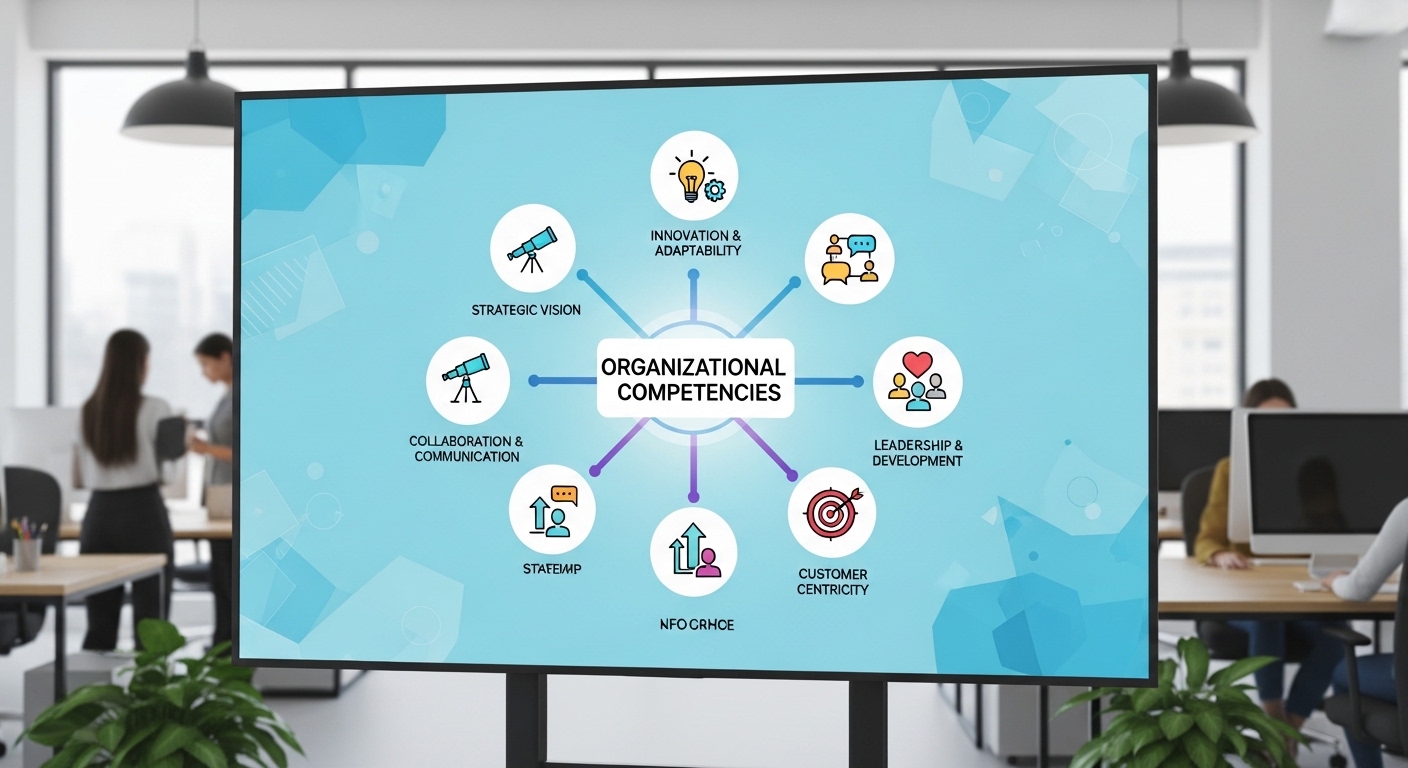
Organizational Competencies: These are broader capabilities that reflect your company’s culture and goals, such as teamwork, client focus, adaptability, or problem-solving. Embedding these ensures that every employee aligns with your organization’s strategic objectives.
Designing Training Around Competencies
Once competencies are identified, the next step is designing a program around them. This often involves a mix of:
- Hands-on exercises
- Scenario-based learning
- Mentorship and coaching
- Simulations that replicate real workplace challenges
The key is that every activity is directly linked to demonstrating a specific skill or behavior. Employees receive immediate feedback, allowing them to adjust and improve in real time.
Measuring Performance and Progress
Unlike traditional training, competency-based training relies on observable results. HR teams use performance assessments, practical exams, project evaluations, and peer reviews to measure whether the desired competencies have been mastered.
These metrics allow talent leaders to track progress accurately. They can identify high performers, pinpoint those who need additional support, and even use the insights for succession planning or promotions.
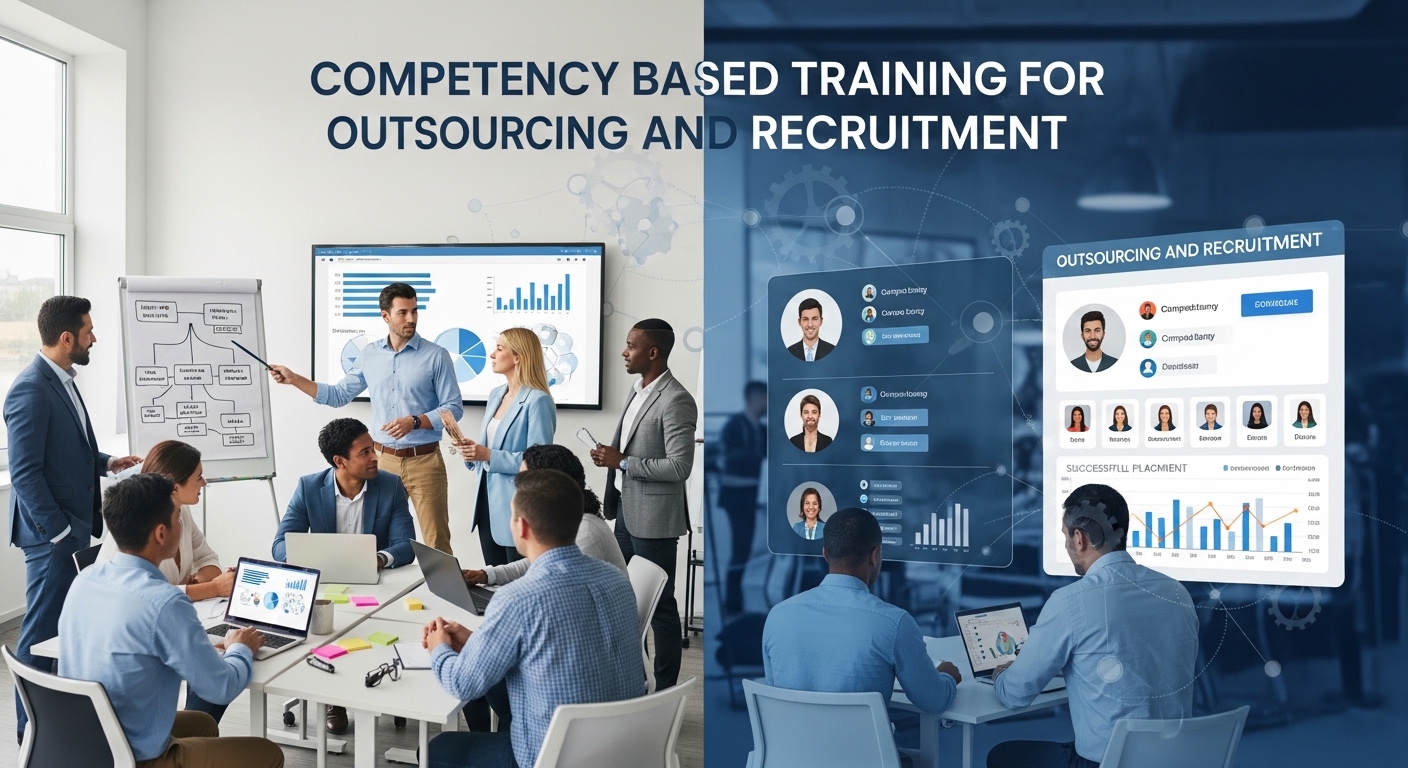
Benefits of Competency Based Training for Outsourcing and Recruitment
- Faster Onboarding: New hires or outsourced staff ramp up faster because training is focused on what they must be able to do from day one.
- Increased Productivity: With precise skill acquisition, employees contribute effectively without lengthy trial-and-error periods.
- Cost Efficiency: Instead of investing in broad, generic training, resources go toward targeted programs that directly impact performance, reducing wasted time and money.
- Enhanced Client Satisfaction: For outsourcing firms, trained employees who demonstrate competence quickly meet client expectations, leading to stronger partnerships and repeat contracts.
- Employee Confidence and Retention: When employees know exactly what is expected and feel competent, morale rises. Confidence leads to engagement, and engagement drives retention.
Implementing Competency Based Training in Your Organization
- Conduct a competency audit to identify gaps and priorities.
- Define measurable outcomes for each competency.
- Develop training modules that are practical, interactive, and outcome-driven.
- Integrate assessment tools to track mastery.
- Continuously update training based on evolving business goals and market demands.
Best Practices for HR Leaders Using Competency Based Training
To maximize the benefits of competency-based training, HR leaders should follow a few key best practices:
- Customize Training to Roles and Teams: Avoid one-size-fits-all programs. Each role has unique requirements, and every team may face different challenges. Tailoring content ensures relevance and faster skill acquisition.
- Involve Managers and Mentors: Line managers and mentors play a critical role in reinforcing competencies on the job. Their guidance turns learning into daily practice, bridging the gap between theory and real work situations.
- Encourage Self-Paced Learning: Competency based training empowers employees to progress at their own speed. High performers can move ahead, while others take the time they need to master skills thoroughly. This reduces frustration and improves learning outcomes.
- Use Technology and Learning Management Systems (LMS): Modern LMS platforms make tracking competencies, progress, and performance seamless. Automated dashboards, skill assessments, and learning pathways help HR stay on top of workforce development.
- Gather Continuous Feedback: Feedback loops are essential. Employees, managers, and trainers should provide input on how effectively the training is helping achieve business goals. Continuous improvement keeps your training program dynamic and effective.
Real-World Example: Competency Based Training in Outsourcing Firms
Consider a growing outsourcing company managing remote customer support teams for multiple clients. Traditional training might focus on general communication skills or generic customer service knowledge.
With competency-based training, each agent is trained on:
- Using specific CRM tools
- Handling client-specific complaints
- Conflict resolution techniques aligned with client expectations
- Reporting and escalation protocols
After training, performance is measured through role-specific simulations, client feedback, and internal assessments. Agents who demonstrate competence are deployed immediately, reducing ramp-up time, improving service quality, and minimizing errors.
This example highlights why outsourcing and recruitment-driven organizations benefit tremendously from this training approach. Competency ensures every employee is ready to deliver results from day one.
Challenges and How to Overcome Them

Implementing competency-based training is not without challenges:
- Resistance to Change: Some employees and managers may be skeptical about outcome-based learning. Overcome this by clearly communicating benefits and linking training to career growth.
- Time and Resource Investment: Competency based programs require upfront effort to design, assess, and monitor. Start small, focusing on high-impact roles first, then scale gradually.
- Keeping Competencies Updated: As business needs evolve, competencies may shift. Establish a regular review process to keep training aligned with current objectives.
Conclusion
Competency based training transforms how organizations develop talent, reduce skill gaps, and improve performance. For HR managers, talent development leads, and outsourcing firms, the benefits are tangible: faster onboarding, higher productivity, cost efficiency, stronger client satisfaction, and empowered employees.
If you want to see your team perform at its peak, it’s time to make the shift. SEA-FAJ Consults can guide you through creating and implementing a competency-based training program tailored to your organization’s needs. Contact us today for a free consultation and start transforming your workforce.
FAQs
How is competency-based training different from skill-based training?
Competency based training combines skills, knowledge, and behavior to ensure employees can perform effectively in real work scenarios. Skill-based training focuses solely on technical abilities without assessing practical application
Can outsourcing firms implement competency-based training remotely?
Yes, with digital learning platforms, remote assessments, and virtual simulations, competency-based training can be delivered and tracked efficiently for distributed teams.
How do I identify which competencies to focus on first?
Start with roles that directly impact business goals or client satisfaction. Conduct a competency audit to identify gaps and high-priority skills.
Is competency-based training suitable for entry-level employees?
Absolutely. Tailoring competencies for entry-level staff ensures they quickly adapt, acquire critical skills, and become productive without long learning curves.
How do we measure success in competency-based training?
Success is measured through observable performance, skill assessments, project outcomes, client feedback, and ongoing employee progress tracking.


