

Outsourcing has become one of the smartest strategies businesses use to reduce operational costs, improve efficiency, and access global talent without building large in-house teams. From startups to growing enterprises, many companies now outsource services such as customer support, administrative tasks, IT services, digital marketing, accounting, and recruitment to improve productivity and focus on core business operations.
However, while outsourcing can accelerate business growth, many companies still fail to achieve the expected results because of avoidable mistakes. Poor vendor selection, unclear expectations, communication gaps, and weak performance monitoring can quickly turn outsourcing into a costly business challenge.
In 2026, outsourcing is no longer just about finding cheaper labour. Businesses now prioritize:
- operational efficiency
- data security
- scalability
- specialized expertise
- long-term strategic partnerships
At SEA-FAJ Consults, we have observed that businesses that succeed with outsourcing usually approach it strategically rather than treating it as a quick cost-cutting solution.
This guide explores the top outsourcing mistakes businesses should avoid and how to build successful outsourcing partnerships that support long-term growth.
Quick Overview of Common Outsourcing Mistakes
| Mistake | Common Result |
| Lack of clear goals | Project confusion and delays |
| Choosing vendors based only on cost | Poor quality service |
| Weak communication | Missed deadlines and misunderstandings |
| Ignoring data security | Business and compliance risks |
| Poor onboarding | Low productivity and inefficiency |
| No performance tracking | Declining service quality |
| Ignoring scalability | Difficulty handling business growth |
1. Failing to Define Clear Outsourcing Goals

One of the biggest outsourcing mistakes businesses make is entering partnerships without clearly defining their objectives. Many companies outsource simply because competitors are doing it or because they want to reduce costs quickly, without properly identifying what success should look like.
Before outsourcing any business process, companies should determine:
- What specific problem needs solving?
- Which tasks should be outsourced?
- What outcomes are expected?
- How will performance be measured?
- What timelines are realistic?
Without clear goals, outsourcing projects often experience:
- scope creep
- budget overruns
- missed deadlines
- workflow confusion
- poor accountability
For example, a company outsourcing customer support should define whether the goal is to reduce response time, improve customer satisfaction, lower operational costs, or expand support coverage.
At SEA-FAJ Consults, we advise businesses to create measurable outsourcing objectives before engaging any external partner. Clear expectations establish the foundation for a successful outsourcing relationship.
2. Choosing the Cheapest Vendor Instead of the Best Value

One of the most common outsourcing mistakes is selecting vendors solely based on the lowest price. While cost reduction remains an advantage of outsourcing, prioritizing cheap services over quality can lead to poor results, missed deadlines, and reputational damage.
Low-cost vendors may lack the following:
- industry expertise
- skilled professionals
- proper infrastructure
- security systems
- scalability capacity
Instead of focusing only on pricing, businesses should evaluate the following:
- vendor experience
- industry specialization
- communication quality
- client reviews
- case studies
- reliability
- technology capabilities
The right outsourcing partner should function as a strategic extension of your business, not just a temporary service provider.
For example, companies outsourcing digital marketing or recruitment services should prioritize expertise and proven results rather than choosing the cheapest available option.
3. Poor Communication and Weak Collaboration

Communication problems remain one of the leading causes of outsourcing failure globally. Even highly skilled outsourcing partners can struggle to deliver quality results when expectations, updates, and feedback are poorly managed.
Communication gaps often lead to:
- duplicated work
- missed deadlines
- workflow inefficiencies
- frustration between teams
- inconsistent deliverables
This becomes even more challenging when outsourcing internationally due to:
- time zone differences
- language barriers
- cultural communication styles
Businesses should establish:
- regular meetings
- reporting structures
- communication channels
- escalation processes
- project timelines
- feedback systems
Using collaboration tools such as project management platforms, shared workspaces, and real-time communication systems can significantly improve productivity and transparency.
Successful outsourcing partnerships rely heavily on consistent communication and proactive collaboration rather than occasional check-ins.
4. Ignoring Data Security and Confidentiality Risks

In today’s digital business environment, outsourcing often requires sharing sensitive business information, customer records, financial data, or internal systems with third-party providers. Failing to address data security risks can expose businesses to financial losses, reputational damage, and legal consequences.
Many companies make the mistake of assuming vendors automatically follow proper security standards without conducting proper verification.
Before outsourcing, businesses should evaluate:
- data protection policies
- cybersecurity measures
- confidentiality agreements
- access control systems
- compliance standards
- incident response procedures
This is especially important for businesses handling sensitive customer information, financial records, healthcare data, or confidential corporate operations.
A strong outsourcing agreement should clearly define:
- data handling procedures
- confidentiality obligations
- intellectual property ownership
- breach response processes
- compliance responsibilities
Businesses that prioritize security from the beginning significantly reduce operational and reputational risks.
5. Failing to Properly Onboard Outsourcing Partners

Many businesses assume that outsourcing vendors can immediately understand their operations, workflows, and expectations without structured onboarding. This assumption often creates confusion, delays, inconsistent quality, and unnecessary revisions.
Even experienced outsourcing providers still require proper orientation to understand the following:
- your business goals
- internal processes
- brand expectations
- communication style
- customer experience standards
- project priorities
Poor onboarding commonly results in:
- repeated mistakes
- productivity loss
- inconsistent deliverables
- longer turnaround times
Businesses should provide outsourcing partners with:
- detailed documentation
- workflow guidelines
- brand resources
- process manuals
- project expectations
- reporting structures
Assigning a dedicated point of contact also improves collaboration and reduces communication breakdowns.
At SEA-FAJ Consults, we encourage businesses to treat outsourcing providers as strategic partners rather than external contractors disconnected from company operations.
One major outsourcing mistake many businesses make is focusing only on immediate needs without considering future growth.
6. Ignoring Scalability and Long-Term Business Growth
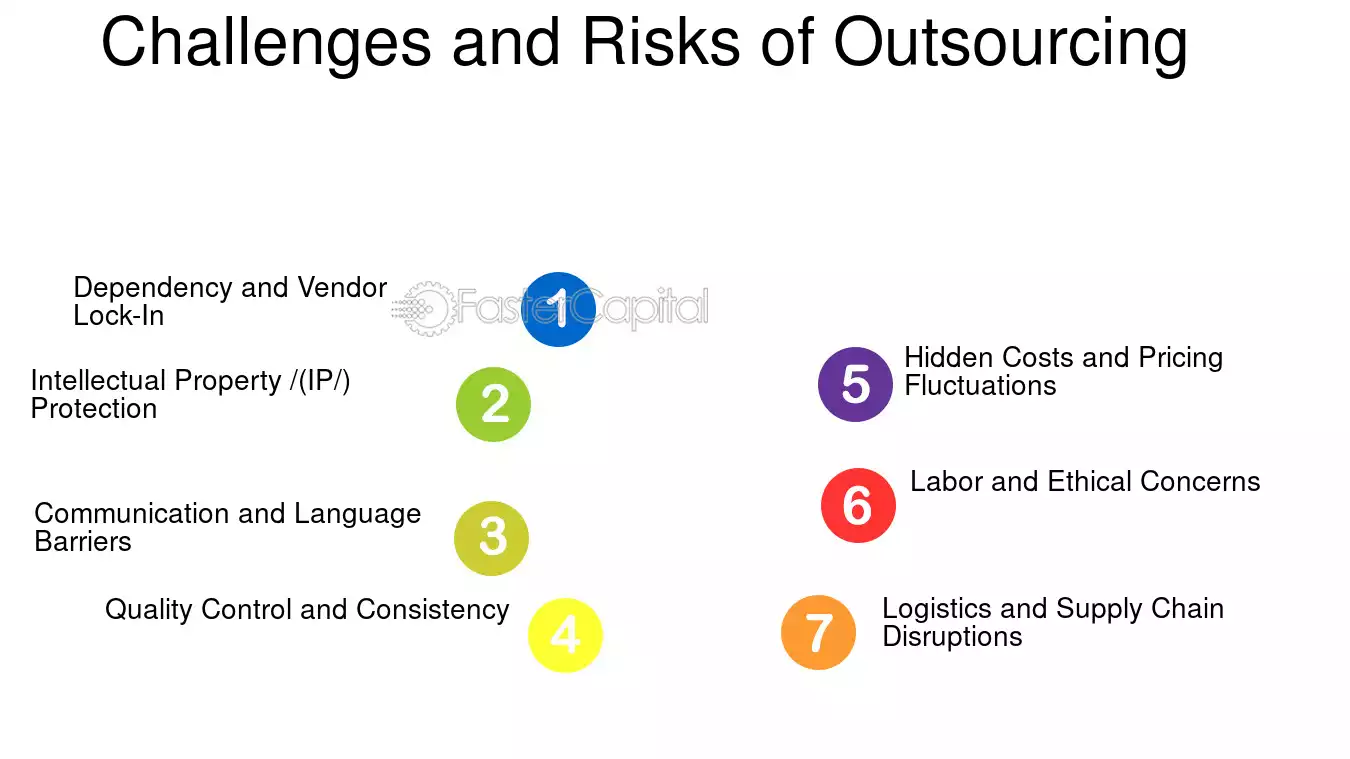
As businesses expand, outsourcing demands may also increase. A vendor capable of handling current workloads may struggle to support:
- increased customer demand
- larger operational tasks
- business expansion
- additional service requirements
This creates operational bottlenecks and may force businesses to switch vendors unexpectedly.
Before selecting an outsourcing partner, companies should assess:
- scalability capacity
- workforce flexibility
- technology infrastructure
- ability to handle growth
- industry experience
- adaptability to changing business needs
For example, businesses outsourcing customer service should evaluate whether the vendor can handle seasonal spikes, business expansion, or multilingual support if needed in the future.
A scalable outsourcing partner supports long-term operational stability and business continuity.
7. Failing to Monitor Vendor Performance
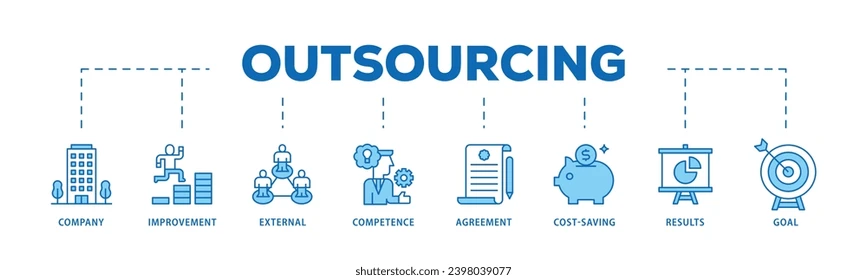
Outsourcing does not mean relinquishing operational oversight. One of the biggest mistakes companies make is assuming vendors will consistently deliver quality results without structured monitoring systems.
Without performance tracking, businesses may experience:
- declining service quality
- missed deadlines
- reduced accountability
- operational inefficiencies
- customer dissatisfaction
Companies should establish clear Key Performance Indicators (KPIs) such as:
- response times
- project completion rates
- customer satisfaction metrics
- productivity benchmarks
- quality assurance standards
Regular performance reviews and feedback sessions help identify issues early before they escalate into larger business problems.
Using project management and reporting tools can also provide real-time visibility into outsourcing performance and workflow progress.
Strong outsourcing relationships require active management, regular evaluation, and continuous improvement.
8. Overlooking Cultural and Operational Differences

International outsourcing can provide businesses with access to global talent and cost advantages, but cultural and operational differences can sometimes affect collaboration if not properly managed.
Differences in:
- communication styles
- decision-making approaches
- work schedules
- business etiquette
- problem-solving methods
can create misunderstandings between internal teams and outsourcing partners.
Businesses should invest time in understanding:
- vendor work culture
- communication preferences
- operational expectations
- time zone realities
Creating clear communication structures and encouraging mutual understanding helps improve collaboration and workflow efficiency.
Organizations that successfully manage cultural differences often build stronger and more productive outsourcing partnerships over time.
Outsourcing Trends Businesses Should Watch in 2026

The outsourcing industry is evolving rapidly as businesses prioritize efficiency, automation, specialized expertise, and remote workforce flexibility.
Some major outsourcing trends shaping 2026 include:
1. Increased Demand for Specialized Talent
Businesses now outsource highly specialized functions such as:
- cybersecurity
- AI support services
- digital marketing
- virtual assistance
- software development
- recruitment support
2. Remote Workforce Expansion
Companies increasingly rely on remote outsourcing teams to reduce operational costs and access global talent without geographical limitations.
3. Focus on Strategic Partnerships
Businesses are moving away from transactional outsourcing relationships and focusing more on long-term strategic collaborations that support growth and innovation.
4. Stronger Data Security Requirements
As cyber threats continue to rise globally, businesses now prioritize outsourcing vendors with strong cybersecurity systems and compliance frameworks.
Expert Insight From SEA-FAJ Consults
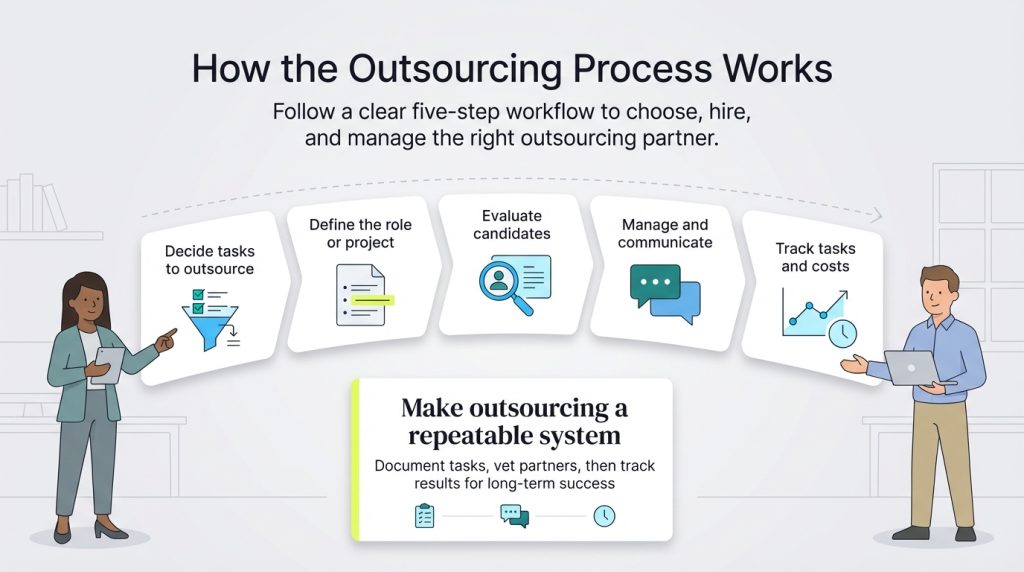
At SEA-FAJ Consults, we have observed that successful outsourcing partnerships are built on strategy, communication, and operational alignment rather than cost reduction alone.
Businesses that achieve the best outsourcing outcomes usually:
- define clear expectations
- choose partners carefully
- prioritize communication
- monitor performance consistently
- plan for scalability
Outsourcing should not simply be viewed as delegating tasks. It should be approached as a long-term business growth strategy capable of improving efficiency, productivity, and operational performance.
Conclusion
Outsourcing can help businesses improve efficiency, reduce operational pressure, access specialized expertise, and scale faster when managed properly. However, avoidable mistakes such as poor communication, weak onboarding, unclear goals, and inadequate vendor selection can negatively impact business performance.
By taking a strategic approach to outsourcing, businesses can build stronger partnerships that support long-term growth and operational success.
At SEA-FAJ Consults, we provide tailored outsourcing solutions designed to help businesses improve efficiency, optimize operations, and access reliable professional support services.
Ready to outsource smarter in 2026? Contact SEA-FAJ Consults today for expert outsourcing guidance and customized business support solutions.
Frequently Asked Questions
1. What is the biggest mistake companies make when outsourcing?
One of the biggest mistakes is outsourcing without clear objectives or performance expectations. This often leads to confusion, poor communication, and inconsistent results.
2. How do I choose the right outsourcing partner?
Businesses should evaluate vendors based on:
- expertise
- communication quality
- experience
- scalability
- client reviews
- security practices
rather than cost alone.
3. Is outsourcing only about reducing costs?
No. Modern outsourcing focuses on efficiency, scalability, specialized expertise, and operational improvement in addition to cost management.
4. What services can businesses outsource?
Businesses commonly outsource the following:
- customer support
- recruitment
- administrative services
- accounting
- IT support
- digital marketing
- virtual assistance
- project-based operations


