

For many students, the biggest barrier to studying abroad is not admission, but funding. Tuition fees, accommodation, travel, and living expenses can make international education seem out of reach. This is why graduate scholarships have become one of the most searched opportunities among students planning to study abroad.
However, while thousands of scholarships exist globally, securing one is highly competitive. Many applicants focus only on finding scholarships, but not enough attention is given to how to position a strong application. Understanding how graduate scholarships work, what selection committees look for, and how to align your application with funding requirements can significantly increase your chances of success.
What Are Graduate Scholarships?
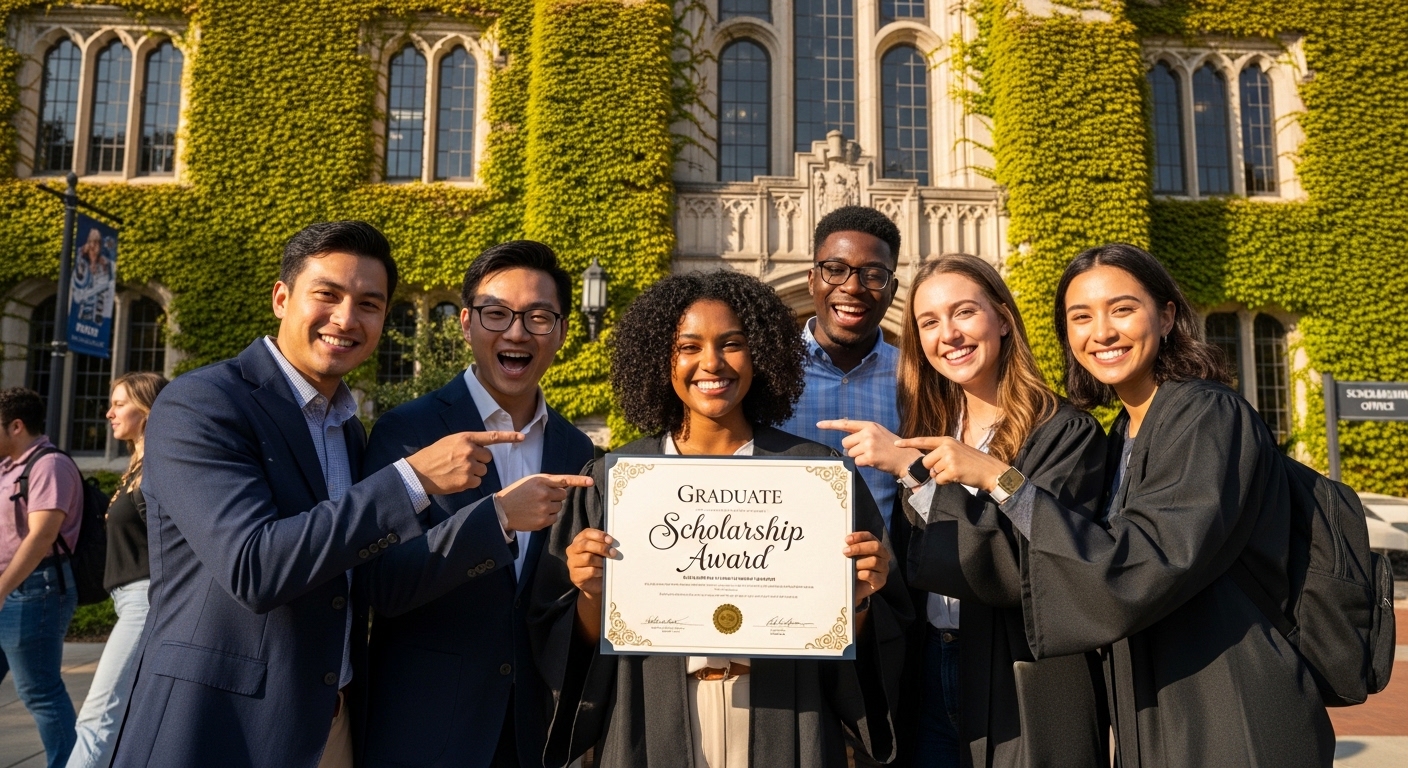
Graduate scholarships are financial awards offered to students pursuing postgraduate degrees, including master’s and PhD programmes. These scholarships may cover tuition fees, living expenses, travel costs, or a combination of all three.
Some scholarships are fully funded, meaning they cover all major costs, while others are partial and require students to contribute financially. Funding may come from universities, governments, private organisations, or international bodies.
For international students, especially Nigerians, graduate scholarships are often the most realistic pathway to studying in countries like the UK, USA, Canada, and Europe.
Why Graduate Scholarships Are Highly Competitive
The demand for scholarships has increased significantly due to rising education costs and global awareness. Thousands of applicants compete for limited slots, particularly for fully funded programmes.
Selection committees are not just looking for academic excellence. They are assessing candidates based on long-term impact, leadership potential, clarity of goals, and alignment with the scholarship’s mission. This means that having good grades alone is not enough. A strong application must tell a clear and compelling story.
Types of Graduate Scholarships Available
Graduate scholarships vary widely in structure and purpose. Some are merit-based, focusing on academic achievement and intellectual potential. Others are need-based, designed to support students who demonstrate financial need.
There are also country-specific scholarships, which target applicants from certain regions, and course-specific scholarships linked to particular fields such as public health, engineering, or development studies.
Government-funded programmes, such as those offered by the UK and other countries, often prioritise candidates who demonstrate leadership and a commitment to contributing to their home country after graduation.
What Scholarship Committees Look For

Understanding what scholarship providers want is one of the most important steps in securing funding. Academic performance remains important, but it is only one part of the evaluation. Committees look for consistency in your academic journey and evidence that you can handle postgraduate-level study.
Equally important is your personal statement or statement of purpose. This is where you explain your goals, your motivations, and how the scholarship will help you achieve them. Strong applications clearly connect past experiences, present ambitions, and future impact.
Leadership and initiative also play a major role. This does not always mean holding formal positions. It can include community involvement, volunteering, projects, or any activity where you have demonstrated responsibility and influence.
How to Strengthen Your Scholarship Application
A strong scholarship application is not created overnight. It requires planning, clarity, and attention to detail. One of the most effective ways to stand out is by aligning your course choice with your career goals. Scholarship committees look for applicants who have a clear direction and can justify why a particular programme is necessary for their development.
Your statement of purpose should be tailored, not generic. It should reflect your unique journey and clearly explain how the scholarship fits into your long-term plans. Avoid vague statements and focus on specific goals and outcomes.
Recommendation letters also carry significant weight. Strong referees who understand your abilities and can speak to your strengths in detail can make a difference.
Finally, attention to detail matters. Incomplete applications, inconsistencies, or errors can lead to rejection, even for strong candidates.
Common Mistakes Applicants Make

Many applicants reduce their chances by approaching scholarships incorrectly. One common mistake is applying to too few opportunities. Given the competitive nature of scholarships, applying broadly increases your chances.
Another issue is submitting generic applications. Scholarship committees can easily identify copy-paste responses that do not address specific programme requirements.
Some applicants also focus too much on their need for funding without demonstrating value. Scholarships are investments, and providers want to support candidates who will make meaningful contributions.
When to Start Applying for Graduate Scholarships

Timing plays a crucial role in scholarship success. Ideally, students should begin preparation at least 9 to 12 months before their intended start date.
This allows time to:
- Research suitable programmes
- Prepare documents
- Take required tests
- Refine personal statements
Late applications often lead to missed opportunities or rushed submissions, which reduces competitiveness.
Balancing Scholarships With Other Funding Options
While scholarships are valuable, they should not be the only plan. Combining scholarships with other funding sources, such as savings, family support, or partial funding options, can create a more realistic financial strategy.
Students who approach funding with flexibility are better positioned to secure opportunities and avoid delays.
Graduate Scholarships and Long-Term Career Impact
Scholarships do more than reduce financial burden. They often provide access to networks, mentorship, and career opportunities that extend beyond graduation.
Many scholarship programmes include leadership training, internships, and alumni networks that support long-term professional growth.
For international students, particularly Nigerians, scholarships can serve as a gateway to global exposure and career advancement.
Conclusion
Graduate scholarships provide a powerful opportunity to study abroad without overwhelming financial pressure. However, success depends on preparation, positioning, and understanding what scholarship providers truly value.
Students who approach the process strategically, rather than randomly, significantly improve their chances of securing funding.
If you are planning to study abroad and want to approach scholarships with clarity and strategy, informed guidance makes a difference.
SEA-FAJ Consults supports students in identifying suitable programmes, aligning applications, and making long-term decisions that go beyond admission. Book a free consultation with us to explore your study abroad options with confidence.
FAQs
1. How can I get a graduate scholarship to study abroad?
You need a strong academic record, a clear statement of purpose, and a well-prepared application aligned with the scholarship’s goals.
2. Are fully funded scholarships available for Nigerian students?
Yes. Many international scholarships are open to Nigerian students, especially for postgraduate study.
3. Do I need IELTS or TOEFL for scholarships?
In most cases, yes. English language tests are often required for both admission and scholarship eligibility.
4. Can I apply for multiple scholarships at once?
Yes. Applying to multiple scholarships increases your chances of success.
5. What is the best time to apply for scholarships?
Start at least 9–12 months before your intended study date.