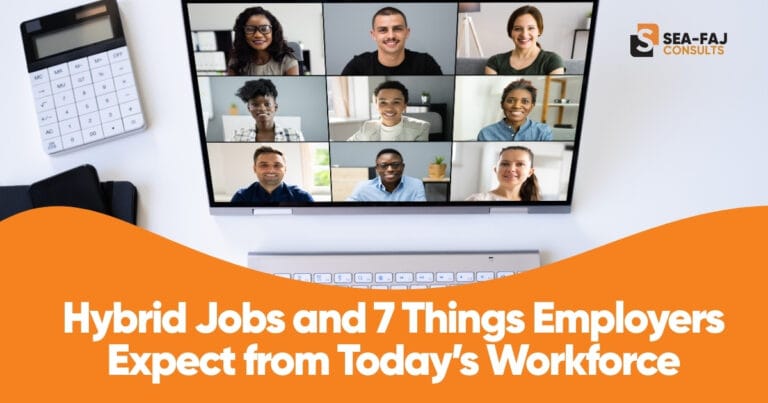
Have you noticed how workplaces are changing faster than ever? One term you’ve probably heard buzzing around is “hybrid jobs”. But what does it really entail, and why is everyone talking about it? Simply put, hybrid jobs are roles that allow you to split your time between working in the office and working remotely. This isn’t just a perk; it’s fast becoming the standard for skilled professionals who want flexibility without losing connection to their team.
The hybrid model is transforming how companies hire and manage talent and measure performance. If you’re a professional looking to stay relevant or a business leader trying to attract top talent, understanding the hybrid work environment is no longer optional; it’s essential. In this article, we’ll break down what hybrid jobs really mean and the seven key qualities employers now expect from today’s workforce.
What Are Hybrid Jobs?

When we talk about hybrid jobs, we are referring to roles where employees balance working from a physical office with working remotely. Unlike fully remote roles, hybrid jobs require occasional in-person meetings, collaboration sessions or client interactions. This blend provides the flexibility of remote work while keeping the benefits of in-office interactions, such as networking, mentorship and team cohesion.
For companies, hybrid work is a strategic solution. It reduces overhead costs, increases employee satisfaction and allows access to a wider talent pool without geographic limitations. For employees, it means better control over your schedule, the ability to work in environments that boost productivity, and reduced commute stress, something that resonates particularly well in busy cities like Lagos, London and Manchester.
How Hybrid Jobs Are Reshaping the Workplace
Hybrid jobs are not just a trend; they are redefining workplace culture. Businesses in the UK and Nigeria are realizing that productivity isn’t tied to a desk. Professionals can now deliver quality work while balancing personal commitments. This shift also encourages a results-focused environment where output matters more than hours logged.
The hybrid approach fosters inclusivity, enabling companies to hire talent from different regions, backgrounds, and even countries. If you’re a job seeker, understanding hybrid jobs is crucial for positioning yourself as adaptable, tech-savvy, and ready for modern work demands.
Why Hybrid Jobs Are Important for the Modern Workforce

Increased Work-Life Balance: One of the biggest draws of hybrid roles is work-life balance. Employees can schedule tasks around family responsibilities, study programs, or side ventures. This flexibility is especially relevant for Nigerian professionals juggling personal projects or UK employees navigating long commutes in urban hubs.
Access to a Larger Talent Pool: For employers, hybrid jobs mean access to a wider pool of candidates without geographic restrictions. This opens doors for top talent in Nigeria and the UK, connecting companies with professionals who bring diverse perspectives and skills.
Improved Employee Retention and Satisfaction: A flexible work environment increases job satisfaction and loyalty. Employees who feel trusted to manage their schedules are more likely to stay committed and motivated, which directly impacts organizational growth.
7 Key Things Employers Expect from Today’s Workforce

Employers now want more than just basic skills; they are looking for qualities that make hybrid work effective. If you want to thrive in today’s workplace, here are the seven key expectations you need to meet:
- Self-Motivation and Accountability
- Digital Literacy and Tech-Savviness
- Strong Communication Skills
- Adaptability and Flexibility
- Team Collaboration Across Locations
- Time Management and Productivity
- Proactive Learning and Upskilling
1. Self-Motivation and Accountability
In a hybrid role, no one is hovering over your desk to check progress. Employers expect you to take ownership of your tasks and meet deadlines without constant reminders. Self-motivated professionals often stand out because they can manage their workload independently while still contributing effectively to team goals. If you’re a job seeker in Nigeria or the UK, demonstrating initiative, whether through volunteering for projects, suggesting solutions, or improving processes, can make a strong impression.
2. Digital Literacy and Tech-Savviness
Hybrid jobs rely heavily on technology. Employers expect you to navigate communication platforms like Microsoft Teams, Zoom, or Slack seamlessly. Familiarity with project management tools such as Trello, Asana, or Monday.com is often a requirement. Beyond tools, understanding cybersecurity basics and digital etiquette is critical. Being tech-savvy doesn’t just mean operating software; it means using technology to enhance productivity and collaboration.
3. Strong Communication Skills
Communication is the backbone of hybrid work. Employers want professionals who can express ideas clearly in emails, presentations, or video calls. Misunderstandings are easier in virtual settings, so being articulate, concise, and proactive in clarifying points is crucial. Nigerian professionals who work with international teams may also need to adapt their communication style to suit UK business culture: polished, professional, yet approachable.
4. Adaptability and Flexibility
Hybrid work environments are dynamic. Meetings may shift, project priorities can change, and remote schedules often vary. Employers value employees who embrace change rather than resist it. Adaptability shows resilience and a readiness to face challenges while keeping productivity intact. Professionals who thrive in hybrid roles are those who remain calm, resourceful, and open-minded.
5. Team Collaboration Across Locations
Being effective in a hybrid setup requires more than individual effort. Employers look for team players who can collaborate across different locations. This means coordinating with colleagues in different time zones, participating actively in virtual brainstorming sessions, and building trust even when working remotely. Demonstrating teamwork and reliability strengthens your professional reputation and helps projects run smoothly.
6. Time Management and Productivity
Without a strict office schedule, managing time efficiently is essential. Employers expect you to prioritize tasks, meet deadlines, and maintain productivity whether at home or in the office. Techniques like setting daily goals, using digital planners, and blocking out focused work hours can help you stay on track. Professionals who can show measurable results often gain recognition and career advancement opportunities faster.
7. Proactive Learning and Upskilling
Finally, the modern workforce must continually evolve. Employers expect hybrid employees to actively learn new skills, whether through online courses, workshops, or mentoring. Staying updated on industry trends, software updates, and best practices ensures you remain competitive. Professionals in Nigeria and the UK who take initiative to learn beyond their current role often position themselves as future leaders.
Challenges and Tips for Thriving in Hybrid Roles

While hybrid jobs offer flexibility, they come with unique challenges. Remote work can sometimes lead to isolation or difficulty separating work from personal life. Team coordination may suffer without intentional communication. To thrive:
- Set a clear schedule and stick to it.
- Use collaborative tools effectively to stay connected.
- Schedule regular check-ins with your team.
- Create a dedicated workspace to minimize distractions.
- Invest in skill development to stay competitive.
By adopting these strategies, you can enjoy the best of both worlds: the flexibility of remote work and the networking opportunities of office presence.
Conclusion
Understanding hybrid jobs is more than knowing where you work; it’s about embracing a new mindset and developing the skills that employers in Nigeria and the UK now expect. Self-motivation, tech-savviness, communication, adaptability, collaboration, time management, and proactive learning are no longer optional; they are essential for career growth.
If your company is looking at building a high-performing hybrid team, Sea-Faj Consults is your trusted recruitment partner. Connect with Sea-Faj Consults to access skilled professionals, streamline your hiring process and secure the right talent for both remote and in-office roles.
FAQs
1. Are hybrid jobs suitable for all industries?
Hybrid jobs are more common in the tech, marketing, finance, and consultancy sectors but are expanding across many industries as companies adopt flexible work models.
2. How can I prove I am suitable for a hybrid role?
Highlight your self-motivation, tech skills, adaptability, and previous experience working independently or remotely in your CV and interviews.
3. What are common challenges of hybrid jobs?
Challenges include managing work-life balance, maintaining communication, and staying visible to managers while working remotely.
4. Can hybrid work improve career growth?
Yes. Professionals who excel in hybrid roles often develop stronger self-management, digital skills, and cross-location collaboration, making them attractive for promotions and leadership roles.
5. How can employers in Nigeria and the UK attract hybrid talent?
Offer flexibility, invest in technology, provide training, and communicate clear expectations to attract and retain skilled hybrid professionals


